
Coconut oil has spent years moving between two very different reputations. One moment it is celebrated as a natural "superfood"; the next, it is described as an unhealthy source of saturated fat.
So which is it?
The answer is more nuanced than either label suggests. Coconut oil has some distinctive properties that make it useful in the kitchen, but it is also exceptionally high in saturated fat. Understanding both sides of the discussion makes it easier to decide how coconut oil fits into your diet.
Why did coconut oil become controversial?
The main concern is its fat composition.
Coconut oil contains a very high proportion of saturated fatty acids. Saturated fat can increase LDL cholesterol, which is an established risk factor for cardiovascular disease.
This is why health organisations generally recommend limiting saturated fat and replacing some saturated fats with unsaturated fats, particularly polyunsaturated fats.
The concern isn't unique to coconut oil. It is part of the broader discussion around dietary fats and cardiovascular health.
But doesn't coconut oil contain medium-chain fatty acids?
Yes, and this is one reason the conversation gets complicated.
Coconut oil contains several fatty acids, including lauric acid, caprylic acid, and capric acid. Some of these are classified as medium-chain fatty acids.
Medium-chain fats can be metabolised differently from longer-chain fats. Research into MCTs has also found effects on energy expenditure and fat metabolism.
However, coconut oil is not the same as concentrated MCT oil. Commercial MCT oil is typically produced to contain high concentrations of caprylic and capric acids. Coconut oil contains a substantial amount of lauric acid, which behaves differently in the body.
So evidence from studies on MCT oil should not automatically be applied to ordinary coconut oil.
What does coconut oil do to cholesterol?
Coconut oil contains no dietary cholesterol, but its relatively high saturated fat content means that its effect on blood cholesterol is worth considering. Some clinical studies have found that coconut oil can increase LDL (“bad”) cholesterol compared with oils that are richer in unsaturated fats, although it can also increase HDL (“good”) cholesterol. These findings do not mean that coconut oil needs to be avoided, but they do suggest that, when heart health is a priority, it may be sensible to use coconut oil as part of a varied diet alongside oils rich in unsaturated fats. As with most dietary fats, the overall eating pattern and the amount consumed are important considerations.
Does that mean you should never eat coconut oil?
No.
Food rarely needs to be divided into a simple list of "healthy" and "unhealthy." Coconut oil can still be useful as a cooking ingredient. It has a distinctive flavour, is relatively stable during cooking, and plays an important role in many traditional cuisines. The more useful question is:
What is the coconut oil replacing?
Replacing butter or another source of saturated fat with coconut oil is different from replacing an unsaturated vegetable oil with coconut oil. Your overall dietary pattern matters considerably more than whether you use one particular oil occasionally.
Virgin coconut oil vs Refined coconut oil
The type of coconut oil also matters for culinary purposes.
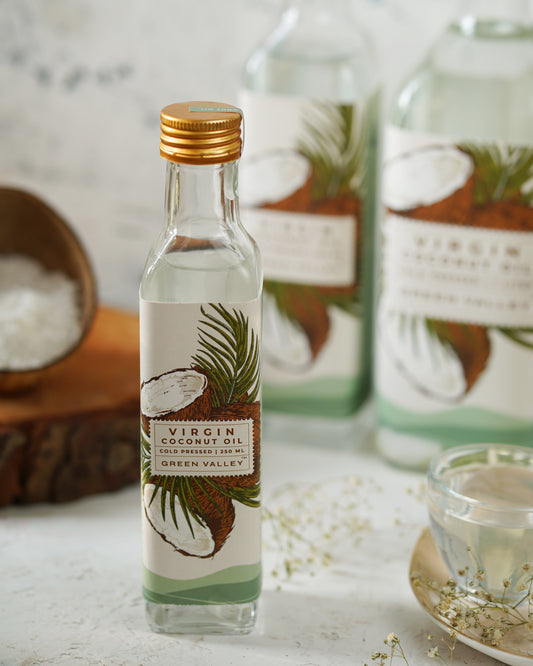
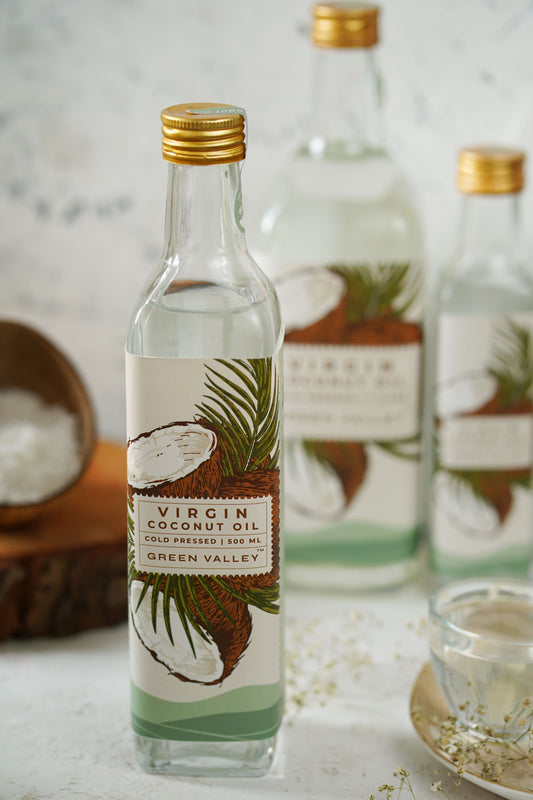
Virgin coconut oil is generally extracted from fresh coconut meat using relatively minimal processing. It retains the characteristic coconut aroma and flavour.
Refined coconut oil typically undergoes additional processing and generally has a more neutral flavour.
Both are predominantly saturated fats, so choosing virgin coconut oil does not remove the need to consider total saturated fat intake. However, virgin coconut oil may appeal to people who prefer minimally processed food, a higher nutritional profile, and want the natural flavour of coconut.
What makes virgin coconut oil interesting?
Although coconut oil should not be treated as a miracle health food, virgin coconut oil does have characteristics worth appreciating. It contains naturally occurring minor compounds, including phenolic compounds, and has a distinctive flavour that makes it particularly useful in certain dishes.
It can be used for:
- Traditional South Indian cooking
- Sautéing
- Baking
- Roasting
- Curries
- Homemade snacks
Its versatility is a culinary advantage, even if it isn't a substitute for medical treatment or a guaranteed route to better health.
How much coconut oil should you use?
There isn't one correct amount for everyone.
Your overall diet, energy requirements, sources of saturated fat, and individual health profile all matter. If you already consume substantial amounts of butter, ghee, fatty meats, full-fat dairy, or other sources of saturated fat, adding large amounts of coconut oil may increase your overall saturated fat intake.
Using smaller amounts of coconut oil while including a variety of unsaturated fat sources can be a practical approach. If you've been advised to reduce saturated fat because of cholesterol or cardiovascular risk, speak with a qualified healthcare professional about your individual diet.
Is coconut oil better for cooking?
Coconut oil is relatively resistant to oxidation because of its high proportion of saturated fats. This makes it useful for many cooking applications.
However, "more heat stable" does not automatically mean "healthier." Cooking performance and nutritional effects are separate questions.
Final thoughts
Coconut oil isn't the nutritional villain some headlines make it out to be, but neither is it the miracle food that some marketing claims suggest.
Its high saturated-fat content means it is worth consuming thoughtfully, particularly if you're watching your LDL cholesterol. At the same time, its stability, distinctive flavour, and cultural importance make it a perfectly reasonable ingredient for many kitchens.
Rather than asking whether coconut oil is simply "healthy" or "unhealthy," consider the bigger picture: how much are you using, what is it replacing, and what does the rest of your diet look like?
That is a much more useful way to think about any cooking oil.