
Coconut oil has an unusual reputation in the world of nutrition. It is widely described as a "superfood," yet it is also one of the richest sources of saturated fat among commonly used cooking oils. So how did coconut oil acquire its health-food status, and does the science actually support it?
The answer lies in the difference between what makes coconut oil interesting and what makes a food healthy overall. Coconut oil has a distinctive fatty acid composition and useful culinary properties. But these characteristics do not make it a nutritional free pass.
What makes coconut oil different?
Coconut oil is predominantly saturated fat. Around 80% or more of its fatty acids are saturated, depending on the product and analytical method. One of its most notable fatty acids is lauric acid. Coconut oil also contains smaller amounts of caprylic and capric acids.
This composition makes coconut oil different from oils such as sunflower, soybean, or olive oil, which contain substantially more unsaturated fats. The unusual fatty acid profile is one reason researchers have taken an interest in coconut oil.
Why do people call it a superfood?
The "superfood" label isn't a scientific classification. It is generally used to describe foods believed to contain unusually beneficial nutritional or biological properties.
Coconut oil became associated with the term for several reasons:
- It contains distinctive medium-chain fatty acids.
- It is relatively stable during cooking.
- Virgin coconut oil contains naturally occurring minor compounds, including phenolic compounds.
- Coconut has a long history of culinary use in tropical regions.
- Research has explored possible antimicrobial, antioxidant, metabolic, skin, and hair-related properties.
Some of these characteristics are scientifically interesting. However, evidence that an ingredient has potentially beneficial properties does not automatically mean that consuming large amounts improves health.
But isn't coconut oil mostly saturated fat?
Yes. This is the part that often gets lost in discussions about coconut oil.
Saturated fat can raise LDL cholesterol, and elevated LDL cholesterol is an established cardiovascular risk factor.
Clinical-trial evidence specifically examining coconut oil has also found that it raises LDL cholesterol compared with non-tropical vegetable oils. One systematic review and meta-analysis of 16 clinical-trial articles found an increase in both LDL and HDL cholesterol with coconut oil compared with non-tropical vegetable oils.
This doesn't mean coconut oil needs to disappear from your kitchen. It means that calling it a "superfood" should not be interpreted as harmless
Does coconut oil have any nutritional advantages?
Coconut oil is not a significant source of protein, carbohydrates, vitamins, or minerals. Its primary nutritional contribution is fat and energy. One tablespoon provides roughly 120 calories, almost entirely from fat.
Its distinguishing feature is therefore its fatty acid composition rather than a broad range of vitamins and minerals. Virgin coconut oil may retain more naturally occurring compounds than highly refined coconut oil because it undergoes less processing. This is one reason people may prefer virgin coconut oil for cooking and other household uses.
What about medium-chain fatty acids?
This is where some of the enthusiasm around coconut oil comes from.
Certain medium-chain triglycerides are metabolised differently from long-chain fats and have been studied for their effects on energy expenditure and metabolism. However, coconut oil should not be confused with concentrated MCT oil.
Coconut oil contains a large amount of lauric acid, while commercially produced MCT oils are generally concentrated in caprylic and capric acids. Research conducted using MCT oil therefore cannot automatically be used to claim that coconut oil has the same metabolic effects. This distinction is particularly important when evaluating claims about weight loss or increased metabolism.
Is coconut oil unhealthy, then?
Not necessarily. Describing coconut oil as either a "superfood" or an "unhealthy oil" oversimplifies the issue.
A more useful question is: What is coconut oil replacing in your diet?
Replacing butter or another source of saturated fat with coconut oil may produce a different nutritional outcome from replacing olive, sunflower, soybean, or another unsaturated vegetable oil with coconut oil.
The 2025 Dietary Guidelines Advisory Committee's scientific report found that replacing plant sources high in saturated fat, including coconut oil, with vegetable oils higher in unsaturated fat decreases LDL cholesterol. So the context matters.
Where does virgin coconut oil fit?
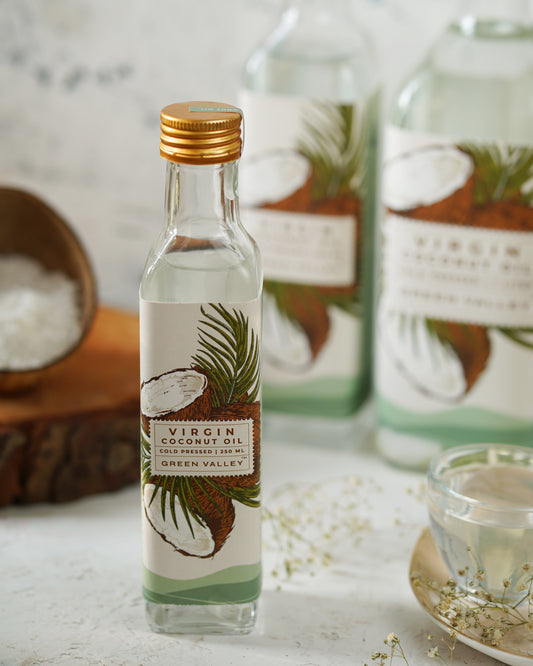
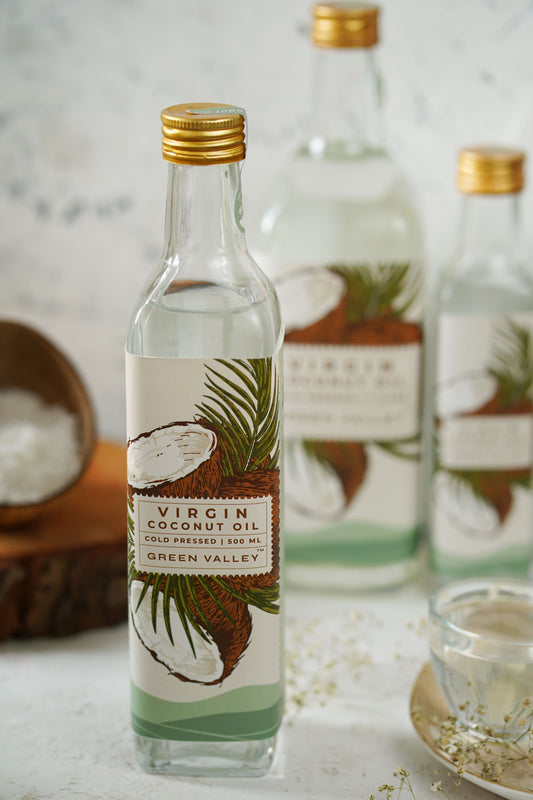
Virgin coconut oil is particularly valued for its natural aroma, flavour, and minimal processing. Cold-pressed virgin coconut oil can be used in:
- Traditional coconut-based recipes
- Sautéing and cooking
- Baking
- Roasting
- Homemade snacks
- Dressings and sauces
How much coconut oil should you eat?
There isn't a universal amount that applies to everyone.
Your overall diet, calorie requirements, other sources of saturated fat, cholesterol levels, and health circumstances all matter. Rather than adding extra spoonfuls of coconut oil because it is marketed as a superfood, think of it as one of several fats available for cooking. Using reasonable portions and maintaining variety in your overall diet is a more evidence-based approach. If you have been advised to reduce saturated fat or manage your cholesterol, your doctor or registered dietitian can help you determine where coconut oil fits into your diet.
Final thoughts
Coconut oil earned its "superfood" reputation because it is chemically distinctive, culturally important, versatile, and the subject of considerable scientific research. But being interesting is not the same as being universally beneficial.
Regardless, it is still a high-calorie fat. At the same time, its unique composition and culinary properties explain why it remains an important ingredient in many kitchens. So rather than asking whether coconut oil is a superfood or an unhealthy food, consider the more useful question: How does it fit into your overall diet?
Used thoughtfully, a good-quality virgin coconut oil can have a place in the kitchen without needing a superhero cape.