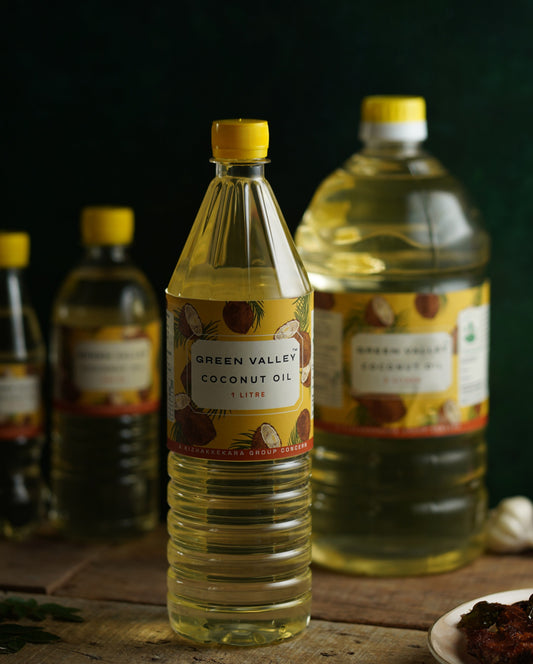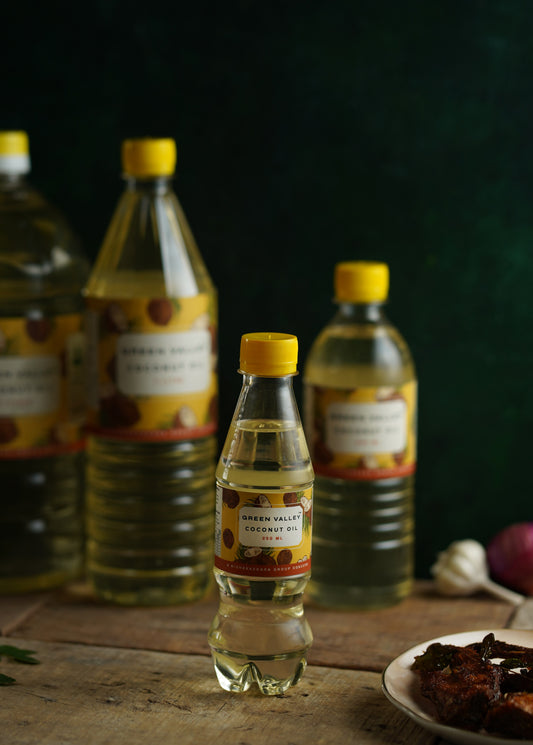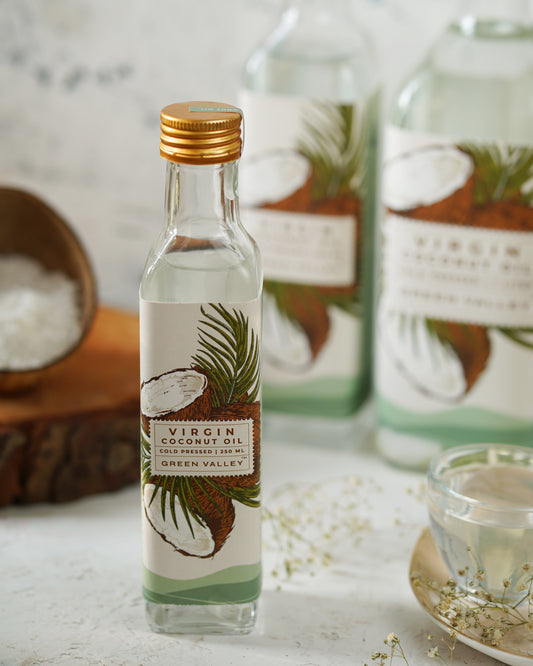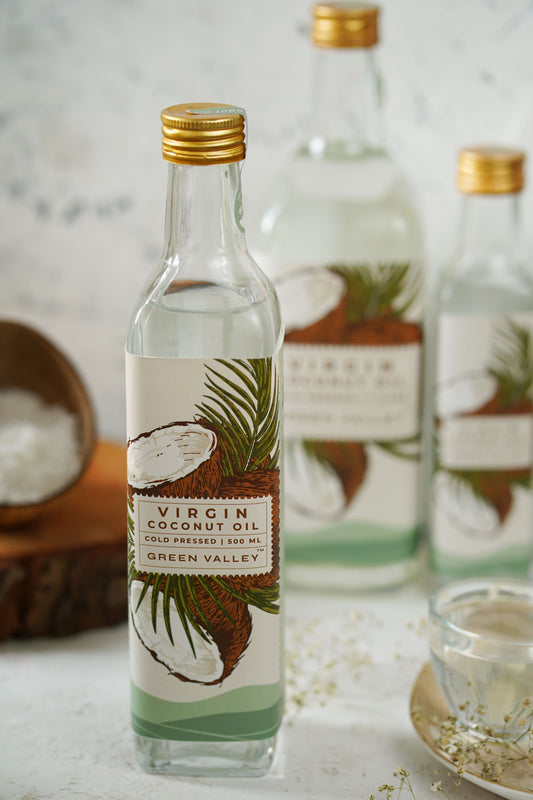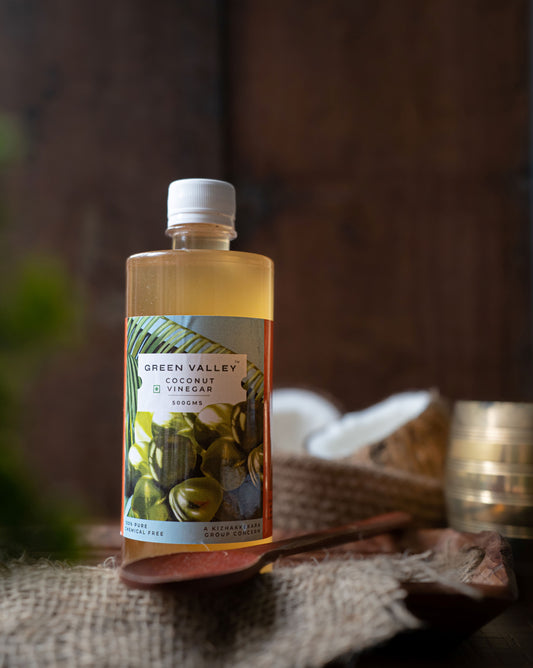

Have you ever flipped a bottle of coconut oil and spotted the term “MCT” proudly displayed on the label and wondered what it was?
MCT stands for Medium-Chain Triglycerides, and they’re the reason coconut oil went from humble kitchen staple to modern-day superfood superstar. But what exactly are these MCTs, and why does everyone from fitness coaches to wellness influencers rave about them?
Let’s break it down - the science, the hype, and the real deal (minus the jargon).
First, Let’s Decode The Chemistry
Fats are made of fatty acids, and these fatty acids come in different lengths -
-
Short-chain = super short, digested quickly
-
Medium-chain = moderate length, efficient
-
Long-chain = takes longer to break down
Now, most fats we eat, like olive oil, sunflower oil, or butter, are long-chain triglycerides (LCTs). These take the scenic route through your digestive system, getting absorbed slowly and often stored as body fat.
Medium-chain triglycerides (MCTs), on the other hand, are the fast-track version. They go straight from your gut to your liver, where they’re converted into energy or ketones (a kind of brain fuel).
That’s why MCTs are so special - your body uses them immediately, instead of stashing them away for later.
Coconut Oil: Nature’s Best Source Of MCTs
Here’s the star moment for coconut oil. It’s naturally made up of about 60% MCTs.
The main types found in virgin coconut oil are:
- Lauric Acid (C12) – about 50% of the oil; it’s famous for its antimicrobial and immune-boosting powers.
- Caprylic Acid (C8) – a quick energy booster that supports digestion.
- Capric Acid (C10) – known for its anti-inflammatory properties.
-
Caproic Acid (C6) – found in tiny amounts; gives that signature “coconutty” aroma.
Together, these MCTs make coconut oil not just a fat, but a functional fuel.
The Power Of MCTs: What They Actually Do
So, what happens when you eat MCTs through coconut oil?
1. Boosts Energy And Brain Function
Because MCTs convert quickly into ketones, they provide instant energy - no sugar crash, no sluggish afternoons. In fact, studies show MCTs may help improve cognitive function, especially in people following a low-carb or ketogenic diet.
2. Supports Weight Management
Here’s where the buzz really takes off. MCTs may increase the number of calories you burn at rest (called your thermogenic effect). Some research suggests people who replace regular oils with MCTs can burn up to 120 extra calories a day, without changing anything else. It’s not magic, but it’s a nice metabolic bonus.
3. Reduces Appetite
Ever noticed how coconut oil makes you feel satisfied? That’s MCTs at work again. They trigger the release of hormones like leptin and peptide YY, which tell your brain you’re full. This means fewer mindless snacks and fewer late-night “just one more bite” moments.
4. Improves Gut Health
MCTs, especially lauric acid, have antimicrobial and antifungal properties. They help combat harmful bacteria and yeast in the digestive system, promoting a healthier gut microbiome.
5. May Support Heart Health
Wait, fat that’s good for your heart? Yes, MCTs may help raise your HDL (good cholesterol) and lower LDL (bad cholesterol) levels. While more research is needed, early studies suggest moderate consumption of virgin coconut oil can support heart health when used in place of processed fats.
MCT Oil vs. Coconut Oil
Now, you might’ve seen bottles labelled “MCT Oil” sold separately in stores. So how’s that different from coconut oil?
Think of MCT oil as the concentrated essence. It’s extracted and refined to include only the purest MCTs (usually caprylic and capric acids).
Coconut oil, however, is the whole food version; it contains only 40% MCTs.
Here’s the trade-off:
-
MCT oil: absorbs faster, tasteless, liquid, even in cold weather.
-
Coconut oil: slightly slower digestion, richer nutrient profile, smells like a beach vacation.
How To Add MCTs To Your Routine
You don’t need to buy expensive supplements to enjoy MCTs. A jar of coconut oil does the trick beautifully.
Here’s how you can add it to your day:
- Stir a teaspoon into your morning coffee or smoothie.
- Use it for light sautéing or baking.
- Add to oatmeal or toast for a buttery twist.
-
Massage it into your skin or hair for nourishment.
Start small, about 1 tablespoon per day and increase gradually as your body adjusts.
A Few Quick Cautions
-
Coconut oil is high in calories (around 120 per tablespoon). Moderation is key.
-
If you have high cholesterol, consult your doctor before adding more saturated fat to your diet.
-
Some people experience mild digestive upset when starting MCTs. Go slow and let your body adapt.