
Vinegar is known for its sharp taste and strong aroma. That bite comes from acetic acid, the compound responsible for vinegar’s sour flavour and preservative properties. But not all vinegars are equally acidic. Some are milder, smoother, and gentler on the palate than others.
If you have ever wondered which vinegar is the least acidic, the answer depends on two things: the percentage of acetic acid it contains and the ingredients used to make it.
Let’s explore how acidity works in vinegar and which types are naturally milder.
Understanding Vinegar Acidity
Most vinegars are made through a fermentation process in two stages.
First, natural sugars from fruits, grains, or alcohol are converted into ethanol by yeast. Then, bacteria known as Acetobacter convert the ethanol into acetic acid.
The amount of acetic acid produced determines how acidic the vinegar becomes.
Commercial food-grade vinegars typically contain 4–8% acetic acid. The remaining portion is mostly water, along with trace compounds that contribute to flavour and aroma.
Because of this range, the acidity level of vinegar can vary significantly depending on the type and how it is produced.
Vinegars With The Lowest Acidity
Some vinegars are naturally milder either because they contain less acetic acid or because other compounds soften their perceived sharpness.
Rice Vinegar
Rice vinegar is often considered one of the mildest vinegars used in cooking.
It is made from fermented rice and generally contains about 4% acetic acid, sometimes even slightly less. Compared with other vinegars, it has a softer flavour and mild sweetness.
Because of this gentle acidity, rice vinegar is commonly used in:
- sushi rice
- salad dressings
- pickled vegetables
- Asian marinades
Its balanced flavour makes it one of the least harsh vinegars for everyday use.
Balsamic Vinegar
Traditional balsamic vinegar is made from concentrated grape must that is fermented and aged in wooden barrels.
While its acetic acid content can be similar to that of other vinegars, balsamic vinegar contains natural sugars and complex flavour compounds that reduce the perception of acidity. The sweetness and ageing process create a smoother taste compared with sharper vinegars.
High-quality aged balsamic vinegar often tastes mild despite having a standard acidity level.
Apple Cider Vinegar
Apple cider vinegar usually contains about 5% acetic acid, placing it in the middle of the vinegar acidity spectrum.
However, because it retains natural apple compounds and small amounts of malic acid from the fruit, its flavour tends to feel softer and more rounded than plain white vinegar.
It is commonly used in:
- salad dressings
- sauces
- health tonics
- pickling
While not the least acidic chemically, it is often perceived as milder than stronger vinegars.
Coconut Vinegar
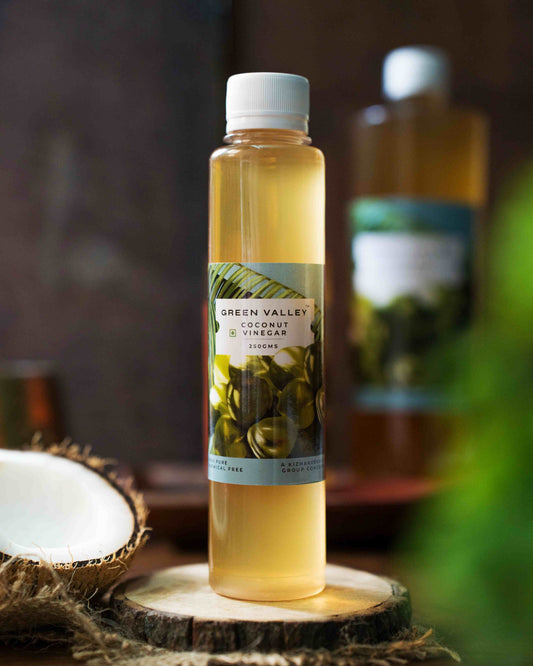
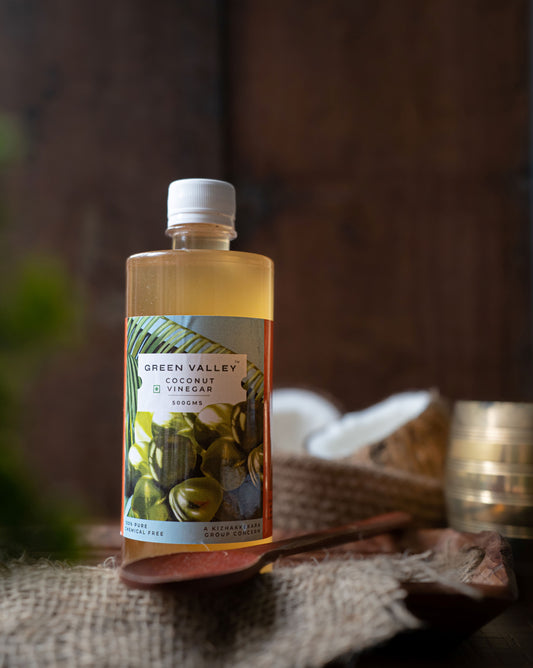
Coconut vinegar is produced from fermented coconut sap or coconut water. It generally contains around 4–5% acidity, but its mineral content and slightly sweet undertones give it a gentler taste profile.
This vinegar is widely used in Southeast Asian cuisines, particularly in Filipino cooking.
Vinegars With Higher Acidity
For comparison, some vinegars are known for stronger acidity.
Distilled White Vinegar
Distilled white vinegar is one of the most acidic and sharp-tasting types commonly available. It usually contains 5–8% acetic acid and has very few additional flavour compounds to soften the taste.
Because of its strong acidity, it is often used for:
- pickling
- cleaning
- food preservation
Malt Vinegar
Malt vinegar, made from fermented barley, usually contains around 5–6% acetic acid. It has a bold flavour and is commonly used with foods like fish and chips.
Why Acidity Matters in Cooking
The acidity level of vinegar affects more than just flavour. It also influences how vinegar interacts with other ingredients.
For example:
- Higher acidity helps preserve foods in pickling.
- Milder vinegars are better for delicate dressings and sauces.
- Strong vinegars can cut through rich or fatty foods.
Choosing the right vinegar, therefore, depends not only on acidity but also on the role it plays in the dish.
Perceived Acidity vs Actual Acidity
An interesting aspect of vinegar is that perceived acidity does not always match actual acetic acid levels.
Vinegars that contain natural sugars, fruit acids, or aromatic compounds may taste milder even when their chemical acidity is similar to that of stronger vinegars.
This is why balsamic vinegar often feels less acidic than white vinegar, even though their acetic acid levels may not differ dramatically.
Flavour complexity can soften the sharpness of acidity.
The Final Verdict
The least acidic vinegar in terms of acetic acid content is typically rice vinegar, which often contains around 4% acidity and has a naturally mild, slightly sweet flavour.
Other relatively gentle vinegars include balsamic vinegar, apple cider vinegar, and coconut vinegar, which tend to taste smoother due to their natural sugars and flavour compounds.
In contrast, distilled white vinegar is among the most acidic and sharpest vinegars commonly used.
If you are looking for a vinegar that is mild and easy on the palate, rice vinegar or coconut vinegar are often the best choices.