
African hair, often tightly coiled, densely packed, and prone to dryness, benefits from deeply nourishing oils that help retain moisture, reduce breakage, and support healthier growth patterns. But not all coconut oils are created equal. The choice you make can influence how well the oil performs for your hair’s specific needs.
What Coconut Oil Actually Does For Hair
Before we define the best type, it’s important to understand what coconut oil can and can’t do.
Coconut oil’s strength lies not in directly stimulating new hair growth, but in creating conditions that reduce breakage and protect hair structure, which makes hair appear fuller and healthier over time. Coconut oil’s composition is dominated by medium-chain fatty acids like lauric acid, which allows it to penetrate into the hair shaft more effectively than many other plant oils. This penetration helps to reduce protein loss, which is especially beneficial for dry, brittle hair and textured hair types common in people of African descent, helping hair survive rather than break off.
However, most dermatological and trichological sources clarify that there is limited evidence that coconut oil directly accelerates hair growth at the follicle level. Rather, its role is protective and conditioning, reducing breakage and maintaining hair integrity which can indirectly support healthier-looking growth.
What to Look For: Types of Coconut Oil
When choosing coconut oil for African or highly textured hair, the type and its processing matter.
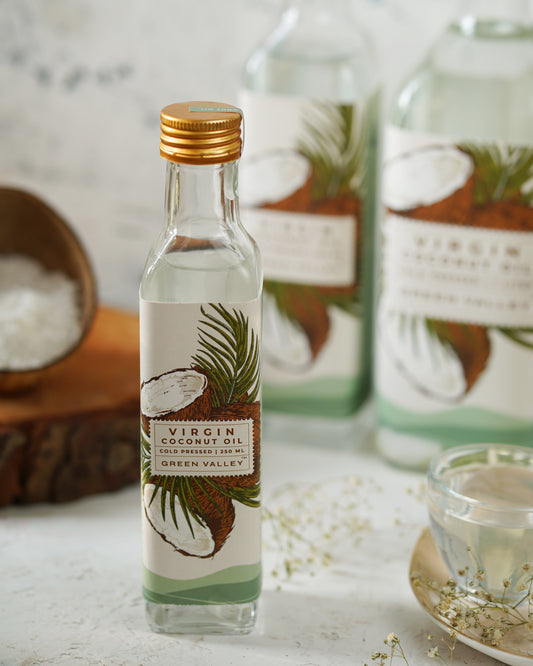
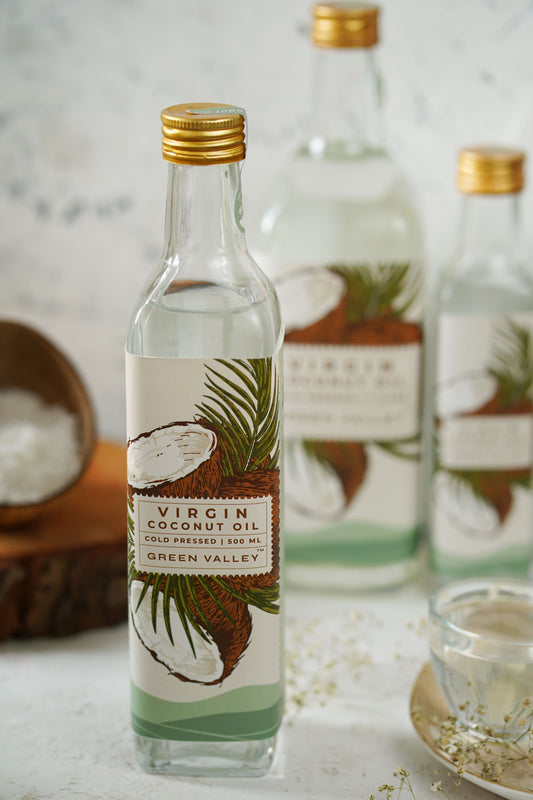
1. Cold-Pressed Virgin or Extra-Virgin Coconut Oil (The Best)
This is coconut oil extracted from fresh coconut meat without heat or chemical processing. It retains:
- the highest level of natural fatty acids like lauric acid,
- antioxidants and minor nutrients,
- the characteristic coconut scent.
Because it’s minimally processed, it preserves the compounds that help penetrate the hair shaft and protect against protein loss, making it especially suitable for dry, coarse or curly hair that needs moisture deep within the strand.
Why it’s good for African hair:
The deep conditioning and moisture-retaining properties help relieve dryness, strengthen strands, and reduce breakage - a key aspect of managing tightly coiled hair textures.
2. Semi-Cold-Pressed Coconut Oil (Highly Recommended)
- Cold-pressed coconut oil is extracted mechanically without heat. It’s usually labelled as:
- Cold-Pressed
- Expeller-Pressed
- Unrefined
Cold-pressed versions tend to retain the most beneficial fatty acids and micronutrients because heat can degrade sensitive compounds. These oils have excellent penetration and conditioning properties, especially valuable for textured hair that loses moisture rapidly.
Best choice for: African hair that is dry, brittle, or chemically treated (e.g., relaxed or bleached).
3. Fractionated Coconut Oil (Use With Caution)
Fractionated coconut oil has had certain fatty components removed to make it more liquid at room temperature. It’s lighter and less greasy but also less potent in lauric acid and other hair-beneficial components.
Use case:
Better suited when mixed with heavier oils (like castor oil) or essential oils to create customized blends, but not the strongest standalone option for deep nutrition.
4. Refined Coconut Oil (Not Ideal)
Refined coconut oil is processed to neutralise flavour and improve shelf life. This refining process often strips away nutrients and reduces the oil’s ability to penetrate hair.
Recommendation:
Avoid refined coconut oil if your primary goal is hair nourishment and growth support. It’s better for cooking than hair care.
How It’s Made Matters
Cold-Pressed vs Refined:
Cold-pressed oils are made by pressing without heat, preserving natural fatty acids, especially lauric acid, which is critical for penetrating hair shafts. Refined oils go through heat and chemical processing, reducing those nutrients.
How Coconut Oil Supports Hair Health
Coconut oil benefits African hair primarily by:
1. Reducing Protein Loss
Keratin, the main protein in hair, can be lost through mechanical stress like combing and chemical damage. Coconut oil’s structure helps reduce this loss, preserving strength and elasticity.
2. Moisturising Deeply
Because of its ability to penetrate the hair shaft, coconut oil helps lock in moisture - a crucial factor for tightly coiled and dry hair textures.
3. Improving Manageability
By smoothing the cuticle, coconut oil can make detangling easier and reduce friction, which in turn reduces breakage and tangling.
4. Creating a Healthy Scalp Environment
Some components of coconut oil have mild antimicrobial effects and promote a balanced scalp, which supports optimal conditions for hair to thrive.
How to Use It Effectively for African Hair
Finding the right oil is only part of the solution. How you use it matters.
Application Tips
Pre-wash treatment: Massage warm virgin coconut oil into the scalp and lengths for 30–60 minutes before shampooing.
Leave-in conditioner: Apply lightly to damp hair to seal moisture.
Blends: Combine with heavier oils like castor oil to enhance strength and reduce breakage.
Consistency is more important than frequency - regular use over weeks helps improve moisture retention and reduce breakage over time. Many stylists even recommend overnight treatments under a bonnet for deeper conditioning.
What Coconut Oil Doesn’t Do
It’s important to set realistic expectations. Coconut oil does not:
- Reverse genetic or hormone-related hair thinning.
- Act as a medical treatment for alopecia.
- Its role is supportive. Creating healthier hair and scalp conditions that indirectly preserve growth and reduce breakage.