
Organic coconut oil has gained popularity among home cooks and health-conscious consumers for its minimal processing, natural origin, and versatility. Whether you're using it for cooking, baking, or personal care, understanding its nutritional profile can help you make informed dietary choices.
While coconut oil is often discussed for its unique fat composition, it's important to understand what it does and doesn't provide nutritionally. Here's a closer look at what's inside organic coconut oil and how it fits into a balanced diet.
What is organic coconut oil?
Organic coconut oil is made from coconuts grown without the use of synthetic pesticides or chemical fertilisers, following certified organic farming practices. Depending on how it is processed, it may be available as virgin coconut oil or refined coconut oil.
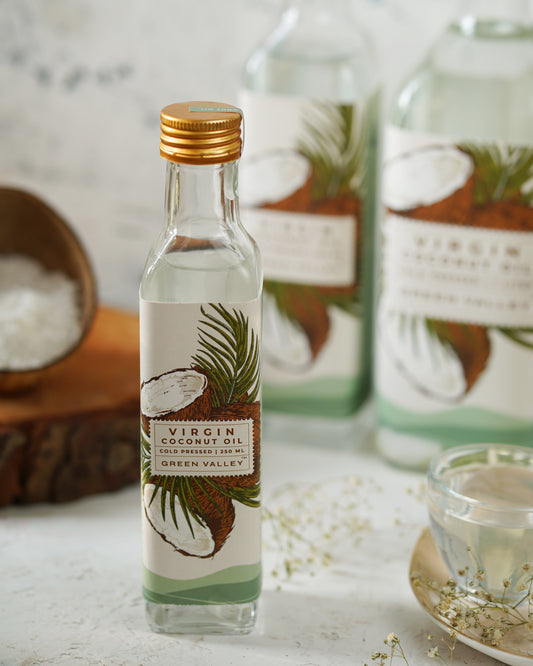
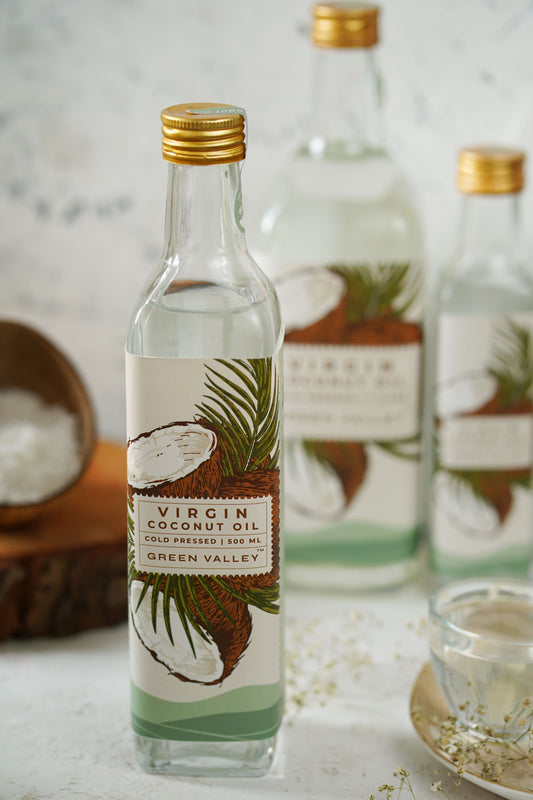
Organic virgin coconut oil is typically extracted from fresh coconut meat using methods such as cold pressing. Since it undergoes minimal processing, it retains its natural coconut aroma and flavour.
Nutritional profile of organic coconut oil
The nutritional values below are approximate for one tablespoon (14 g) of organic virgin coconut oil.
|
Nutrient |
Approximate Amount |
|
Calories |
120 kcal |
|
Total Fat |
14 g |
|
Saturated Fat |
12–13 g |
|
Monounsaturated Fat |
About 1 g |
|
Polyunsaturated Fat |
Less than 0.5 g |
|
Carbohydrates |
0 g |
|
Protein |
0 g |
|
Fibre |
0 g |
|
Sugar |
0 g |
|
Sodium |
0 mg |
|
Cholesterol |
0 g |
Like all edible oils, coconut oil is almost entirely fat. It does not contain meaningful amounts of protein, carbohydrates, vitamins, or minerals.
Understanding the fat composition
The most distinctive feature of coconut oil is the type of fat it contains.
Unlike many vegetable oils that are rich in polyunsaturated fats, coconut oil consists primarily of saturated fats. A significant portion of these are medium-chain fatty acids, particularly lauric acid, along with smaller amounts of caprylic and capric acids.
Medium-chain fatty acids are absorbed and metabolised differently from many long-chain fats found in other foods. They do not get stored as fat in the body and are immediately used up.
Does organic mean more nutritious?
This is a common misconception.
Choosing organic coconut oil does not automatically mean it contains more calories or significantly different nutrients than conventional coconut oil. The calorie and fat content remain largely the same. The main differences relate to agricultural practices and production methods. Certified organic coconut oil comes from coconuts grown according to organic farming standards, and many consumers choose it for environmental or personal preferences rather than superior nutrition alone.
Virgin coconut oil vs refined coconut oil
Both types have similar calorie and fat content, but they differ in processing.
Virgin Coconut Oil
- Made from fresh coconut meat.
- Minimally processed.
- Naturally aromatic.
- Typically cold pressed.
- Retains the characteristic coconut flavour.
Refined Coconut Oil
- Usually made from dried coconut (copra).
- Undergoes additional refining.
- Neutral flavour and aroma.
- Often preferred for recipes where a coconut taste is not desired.
If you're looking for a product with minimal processing, virgin coconut oil is generally the preferred choice.
Can coconut oil be part of a healthy diet?
Yes, but moderation is important.
Coconut oil can certainly be included in cooking, but it should be consumed alongside a varied diet that includes fruits, vegetables, whole grains, legumes, nuts, seeds, and other healthy fat sources. Rather than focusing on one "superfood," it's more helpful to consider your overall dietary habits.
Cooking with organic coconut oil
Organic virgin coconut oil is suitable for a variety of everyday uses, including:
- Stir-frying vegetables
- Baking cakes, cookies, and muffins
- Preparing traditional South Indian dishes
- Roasting vegetables
- Homemade granola
- Smoothies for added richness
Its naturally pleasant coconut aroma can also enhance recipes where a subtle coconut flavour complements the dish.
Choosing a quality organic coconut oil
Not all coconut oils are produced the same way.
When buying organic coconut oil, look for products that:
- Are certified organic.
- Are cold pressed if you prefer minimal processing.
- Contain no artificial additives or preservatives.
- Are packaged in clean, food-grade containers.
- Clearly display manufacturing and best-before dates.
Final thoughts
Organic coconut oil is a versatile cooking oil with a simple nutritional profile. It provides energy in the form of dietary fat, contains no carbohydrates or protein, and is naturally stable for many cooking applications.
If you're looking for a minimally processed option, choosing a certified organic, cold-pressed virgin coconut oil can help you enjoy the natural aroma and flavour of fresh coconuts while supporting a balanced and varied diet.