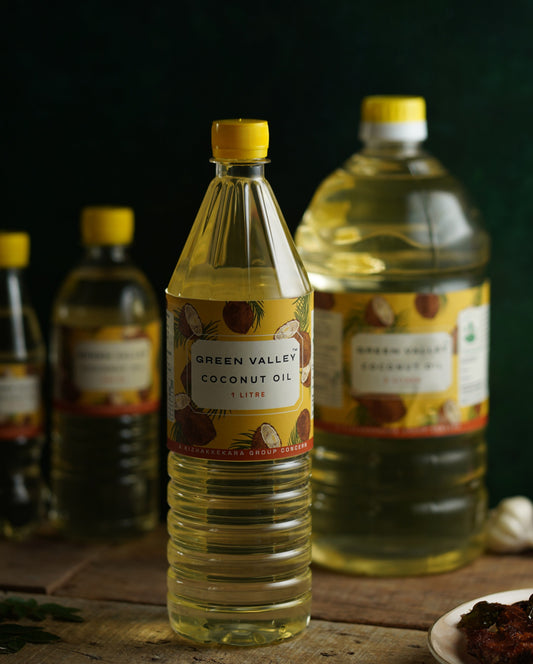

Coconut oil has become a popular alternative to butter and vegetable oils in baking. From cookies and cakes to muffins and granola bars, it often appears in recipes that promise richer flavour or a more natural ingredient list. But when you’re standing in the kitchen with a jar labelled unrefined coconut oil, the question naturally arises: Is it actually better for baking, or just different?
The answer depends on what you expect from your baked goods. Unrefined coconut oil can be excellent for baking in many situations, but it also brings certain characteristics that may not suit every recipe.
To understand why, it helps to look at how unrefined coconut oil behaves in baking.
What Is Unrefined Coconut Oil?
Unrefined coconut oil is produced by extracting oil from fresh coconut meat with minimal processing. The oil is typically pressed mechanically without chemical refining or deodorising.
Because it undergoes fewer processing steps, unrefined coconut oil retains:
- its natural coconut aroma
- subtle coconut flavor
- small amounts of antioxidants and plant compounds
- Its original fatty acid composition
This is different from refined coconut oil, which is processed to remove flavour and odour.
In baking, these differences can influence both taste and texture.
How Coconut Oil Behaves In Baking
One of the most important characteristics of coconut oil is its fat structure. Coconut oil is composed largely of saturated fats, which means it behaves similarly to solid fats like butter at cooler temperatures.
At around 24–26°C, coconut oil melts from a solid into a liquid. This melting point makes it particularly useful in baking because it can mimic the structural role of butter in many recipes.
In baked goods, fats serve several purposes:
- They tenderise the dough or batter
- They trap air during mixing
- They influence moisture and crumb texture
- They carry flavour
Because coconut oil remains solid at cooler temperatures but melts easily when heated, it helps create a tender crumb in baked goods like cakes and muffins.
Flavour Differences
The biggest difference between refined and unrefined coconut oil in baking is flavour.
Unrefined coconut oil retains a mild but noticeable coconut aroma and taste. In some recipes, this flavour can enhance the final product. For example, coconut oil works beautifully in baked goods such as:
- banana bread
- coconut macaroons
- tropical cakes
- chocolate desserts
- granola and oatmeal cookies
The slight coconut flavour can add depth and richness to these recipes.
However, in recipes where a completely neutral flavour is desired, the coconut taste may be noticeable. In those cases, refined coconut oil is sometimes preferred.
Nutritional Differences In Baking
From a nutritional perspective, unrefined coconut oil retains slightly more natural antioxidants and polyphenols compared with refined coconut oil. These compounds come from the coconut itself and may contribute to small protective effects.
However, the overall nutritional differences between refined and unrefined coconut oil in baking are relatively minor.
Both types contain similar amounts of:
- total fat
- saturated fat
- calories
The main distinction lies in processing and flavour rather than dramatic nutritional changes.
How Coconut Oil Replaces Butter
Many baking recipes allow coconut oil to replace butter in roughly a 1:1 ratio. Because both are solid fats at cooler temperatures, they perform similar structural roles.
However, there are small differences:
- Butter contains water and milk solids, while coconut oil is pure fat.
- Coconut oil may produce slightly crispier edges in cookies.
- Cakes made with coconut oil may feel slightly lighter in texture.
If a recipe relies heavily on butter for flavour, you may notice the difference. But in many baked goods, coconut oil substitutes easily.
When Unrefined Coconut Oil Works Best
Unrefined coconut oil is especially well-suited to recipes where its flavour complements the ingredients.
It works well in:
- desserts with chocolate
- baked goods containing nuts
- tropical-flavored cakes
- vegan baking recipes
- recipes where butter is being replaced
It is also popular in plant-based baking because it provides the structure of a solid fat without animal products.
When Refined Coconut Oil Might Be Better
Despite its advantages, unrefined coconut oil is not always the best choice.
In recipes where a neutral taste is important, refined coconut oil may work better. This includes delicate pastries, certain breads, or savoury baked goods where coconut flavour might be distracting.
Refined coconut oil also typically has a slightly higher smoke point, though this matters less in baking than in frying.
Texture Considerations
Another factor to keep in mind is temperature.
Because coconut oil melts at relatively low temperatures, the texture of dough or batter can change depending on kitchen conditions. In a very warm kitchen, coconut oil may liquefy quickly, which can affect how the dough holds its shape.
Some bakers chill dough slightly when working with coconut oil to maintain the desired texture.
The Final Verdict
Unrefined coconut oil can be an excellent ingredient for baking. Its saturated fat structure helps create tender baked goods, and its natural coconut flavour can add depth to many desserts.
However, whether it is “better” than refined coconut oil depends largely on the recipe. When the coconut flavour complements the ingredients, unrefined coconut oil can enhance both taste and texture. When a neutral flavour is required, refined coconut oil may be the more suitable option.
In most cases, unrefined coconut oil is simply a flavorful and minimally processed baking fat that works beautifully in the right recipes.