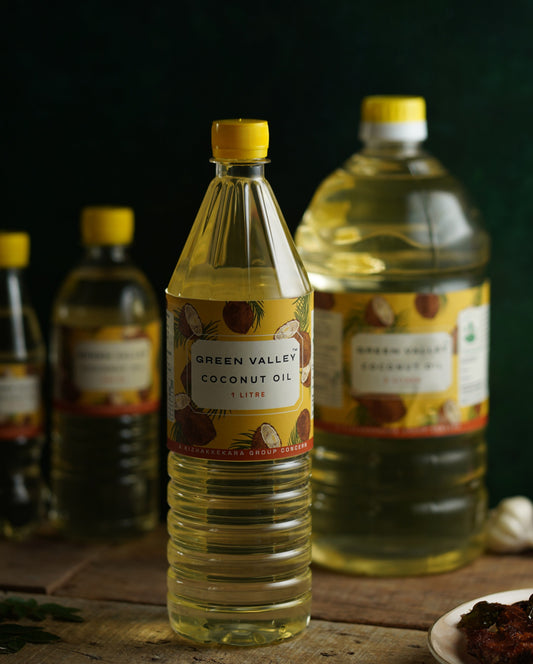

Coconut oil - the tropical darling of kitchens, beauty cabinets, and diet debates everywhere. Depending on who you ask, it’s either a miracle superfood or a saturated-fat villain. One day it’s hailed as the elixir of youth, and the next, someone calls it “pure poison.”
So let’s wipe the slate clean and get to the facts. Does coconut oil really have a place in a healthy diet? Or should it stay in your hair mask jar where it’s safe and quiet?
Grab your spoon, because we’re breaking this down.
What Makes Coconut Oil Special?
Coconut oil stands out because it’s composed mainly of medium-chain triglycerides (MCTs), a type of fat that’s metabolised differently from the usual long-chain fatty acids found in most other oils.
When you consume MCTs, your body sends them straight to the liver, where they’re quickly converted into energy or ketones. This means your body is more likely to burn them rather than store them as fat.
That’s a major reason why coconut oil has become a darling among keto dieters and intermittent fasters: it fuels the body efficiently, keeps hunger in check, and helps maintain steady energy levels.
Is Coconut Oil Bad For Your Heart?
You’ve probably heard it a million times: “Coconut oil is full of saturated fats, so it must be bad for your heart.”
But like all great controversies, there’s more nuance here.
Coconut oil is indeed roughly 90% saturated fat. However, not all saturated fats are created equal. The fats in coconut oil are primarily MCTs, especially lauric acid, which behaves differently than long-chain saturated fats like those found in butter or red meat.
Research suggests that these MCTs can increase HDL (good) cholesterol and maintain a healthier HDL-to-LDL ratio, both of which are better indicators of heart health than total cholesterol alone.
A 2020 review in Nutrients found that moderate consumption of coconut oil did not raise cardiovascular risk factors when part of a balanced diet.
So while moderation is still key, coconut oil doesn’t deserve to be blacklisted.
How Coconut Oil Fits Into A Healthy Diet
Now that we know it’s not the enemy, how can we make coconut oil an ally in our everyday meals?
1. For Cooking And Frying
Coconut oil is incredibly stable at high temperatures, thanks to its saturated fat content. Unlike many vegetable oils that oxidise and produce harmful compounds when heated, coconut oil stays intact, making it great for sautéing, roasting, and shallow frying.
2. For Baking
It’s a brilliant butter substitute in baking. It adds a subtle sweetness and tropical aroma while still providing that rich, satisfying texture.
3. For Smoothies And Coffee
Just a teaspoon of coconut oil in your smoothie or coffee can add creaminess and give you an energy boost that lasts. That’s because the MCTs convert to quick fuel, helping to reduce mid-morning energy crashes.
4. For Weight Management
Coconut oil can promote satiety, meaning you feel full longer. Several studies have shown that MCTs help reduce overall calorie intake throughout the day, though again, this doesn’t mean a free pass to gulp it down by the spoonful.
The Nutritional Value You Can’t Ignore
Here’s what a tablespoon of coconut oil offers:
-
Calories: ~120
-
Total fat: 14g (mostly MCTs)
-
Lauric acid: ~50%
-
Carbohydrates, protein, cholesterol: 0
Zero cholesterol. Zero additives. Just pure, cold-pressed goodness straight from nature.
Plus, coconut oil contains trace antioxidants and polyphenols that contribute to cell protection and inflammation reduction, subtle but important health bonuses.
The Golden Rule: Moderation
Now, before you go blending coconut oil into everything, let’s talk limits.
The recommended intake for a healthy adult is around 1–2 tablespoons per day.
That’s enough to gain the benefits - energy, satiety, healthy fats, without overloading your daily calorie intake. Coconut oil is nutrient-dense, which means even a little goes a long way.
Pair it with other healthy fats like olive oil, avocado, or nuts for balance. Variety, as your grandmother probably told you, is still the best recipe for health.
When To Be Careful
If you have specific cholesterol or heart-related conditions, it’s wise to consult your doctor before making coconut oil a daily staple.
And remember: refined coconut oil (the kind that’s been deodorised or bleached) doesn’t have the same nutritional profile as unrefined coconut oil.
Always opt for cold-pressed, unrefined, organic varieties to reap the real benefits.
Final Thoughts
So, is there a place for coconut oil in a healthy diet?
Absolutely. But it’s not the star of the show. It’s part of the supporting cast that makes your health story complete.
In moderation, coconut oil can provide clean energy, stable fats, and a metabolism-friendly boost, all while keeping your cooking delicious and your conscience clear.
It’s proof that healthy eating doesn’t need to taste bland or feel restrictive. Sometimes, it just takes a little tropical flair to make nutrition fun again.