
At first glance, the terms vinegar and distilled vinegar may sound like they refer to the same thing. After all, both are sour liquids commonly used in cooking, cleaning, and food preservation. But the truth is that distilled vinegar is only one specific type within the much larger family of vinegars.
Understanding the difference begins with how vinegar is made and how distilled vinegar fits into that process.
What Is Vinegar?
Vinegar is produced through fermentation. The process usually happens in two stages.
First, yeast converts sugars from fruits, grains, or other plant sources into alcohol (ethanol). Then bacteria known as Acetobacter convert the alcohol into acetic acid, the compound responsible for vinegar’s sour taste.
Most edible vinegars contain 4–8% acetic acid, with the rest being water and trace compounds that give each vinegar its unique flavour.
Because vinegar can be made from many different ingredients, there are many varieties, including:
- apple cider vinegar
- rice vinegar
- balsamic vinegar
- malt vinegar
- wine vinegar
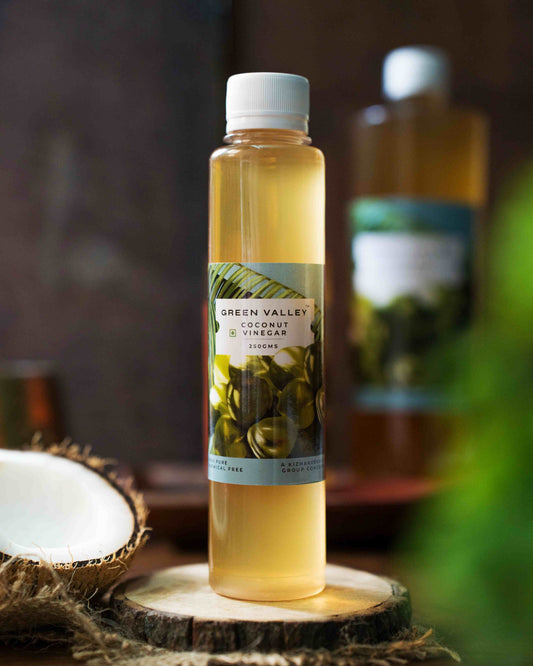
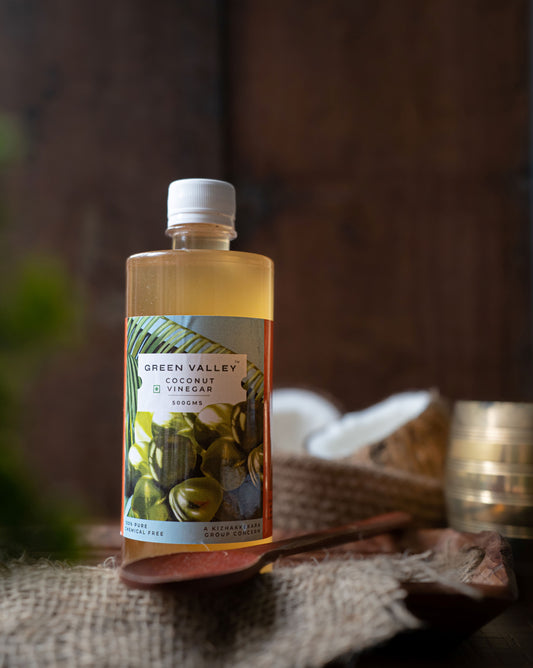
- coconut vinegar
Each of these has its own flavour profile depending on the raw material used in fermentation.
What Is Distilled Vinegar?
Distilled vinegar, often called white distilled vinegar, is a specific type of vinegar made by fermenting distilled alcohol, typically derived from grain such as corn.
The process involves:
- Fermenting grain alcohol
- Converting that alcohol into acetic acid through bacterial fermentation
- Diluting the solution to the desired acidity level
The result is a clear, colourless vinegar with a sharp taste.
Distilled vinegar typically contains 5–8% acetic acid, similar to many other vinegars, but it lacks the additional flavour compounds found in fruit or wine-based vinegars.
The Key Differences
The main differences between vinegar and distilled vinegar come down to ingredients, flavour, and typical uses.
Source Ingredients
General vinegar can be made from many sources, including fruits, grains, and fermented beverages.
Distilled vinegar, however, is usually produced from distilled grain alcohol, making it more standardised and neutral.
Flavour Profile
Many vinegars retain flavours from their original ingredients. For example:
- Apple cider vinegar has a mild apple flavour
- Balsamic vinegar has sweetness and complexity from grapes
- Rice vinegar has a delicate, slightly sweet taste
- Distilled vinegar is much more neutral. Because it is highly refined, it has a sharp, clean acidity without additional flavour notes.
Appearance
Most vinegars reflect the colour of their source ingredient. Apple cider vinegar has an amber hue, balsamic vinegar is dark brown, and red wine vinegar appears reddish.
Distilled vinegar, on the other hand, is clear and colourless, which makes it useful in applications where colour is undesirable.
Typical Uses
Different vinegars serve different purposes.
Distilled vinegar is commonly used for:
- pickling
- cleaning and disinfecting
- food preservation
- household uses
Its strong acidity and neutral flavour make it practical for these purposes.
Other vinegars are more often used in cooking for their flavour, such as:
- salad dressings
- sauces
- marinades
- finishing ingredients in dishes
Why Is Distilled Vinegar Popular?
Distilled vinegar has become widely used because it is inexpensive, stable, and versatile.
Since it contains few additional compounds beyond acetic acid and water, it can be produced consistently and in large quantities. This makes it ideal for commercial food processing and household cleaning products.
Its neutral flavour also allows it to blend easily into recipes without affecting taste too strongly.
Is One Healthier Than The Other?
From a nutritional standpoint, most vinegars are quite similar because they all contain small amounts of acetic acid diluted in water.
However, some vinegars made from fruits or grains may contain trace amounts of antioxidants or plant compounds from their source ingredients. For example, apple cider vinegar contains small amounts of polyphenols derived from apples.
Distilled vinegar typically contains fewer of these compounds because of its more refined production process.
That said, the quantities of these compounds in vinegar are relatively small, so the overall nutritional differences are usually modest.
The Final Verdict
Yes, there is a difference between vinegar and distilled vinegar.
Vinegar is a broad category that includes many types made from different fermented ingredients such as fruits, grains, and wine. Distilled vinegar is a specific variety made from fermented distilled alcohol, usually grain-based.
Because it is clear, sharp, and neutral in flavour, distilled vinegar is often used for pickling, cleaning, and food preservation. Other vinegars are more commonly used for their distinct flavours in cooking.
In simple terms, all distilled vinegar is vinegar, but not all vinegar is distilled vinegar.