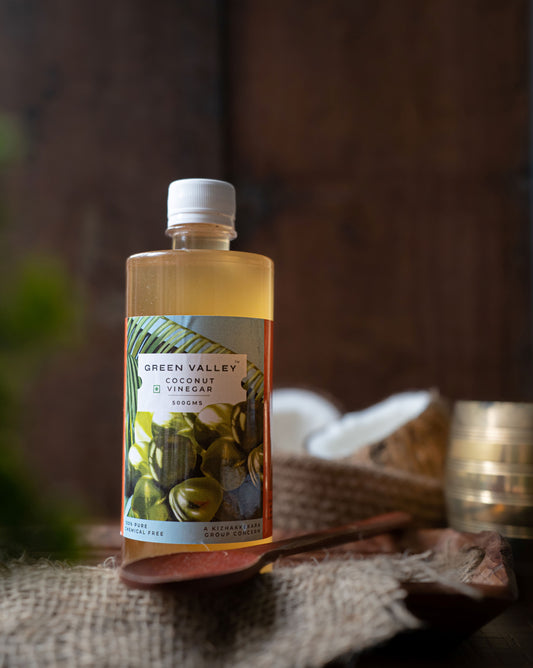

Vinegar appears in many everyday foods. It sharpens salad dressings, balances sauces, and preserves pickles. But alongside traditional vinegars made from fermentation, another form exists in many markets: synthetic vinegar.
This often raises an important question. If vinegar can be made naturally through fermentation, is synthetic vinegar safe or advisable to consume regularly?
The answer requires understanding what synthetic vinegar is, how it differs from natural vinegar, and how it behaves in food.
What Is Synthetic Vinegar?
Synthetic vinegar is essentially a diluted solution of acetic acid produced through industrial chemical processes rather than fermentation.
In natural vinegar, microorganisms convert sugars into alcohol and then into acetic acid. In synthetic vinegar, acetic acid is manufactured chemically, typically from petrochemical sources or through industrial oxidation processes, and then diluted with water to match the acidity of regular vinegar.
Most food-grade synthetic vinegars contain about 4–8% acetic acid, similar to traditional vinegars.
Because the main active compound in vinegar is acetic acid, synthetic vinegar chemically resembles natural vinegar in its primary acidic component.
How Does It Differ From Natural Vinegar?
Although synthetic vinegar and natural vinegar share the same main acid, there are important differences in how they are produced and what else they contain.
Production Process
Natural vinegar is created through biological fermentation, often using fruits, grains, or plant-based sugars. This process produces not only acetic acid but also small amounts of organic compounds that contribute to flavour and aroma.
Synthetic vinegar bypasses fermentation entirely. Instead, acetic acid is produced industrially and then diluted with water.
Flavour and Aroma
Because natural vinegar is derived from fermented ingredients such as apples, grapes, or rice, it contains additional compounds that create complex flavours.
Synthetic vinegar contains mostly acetic acid and water, which gives it a sharper and simpler taste.
For this reason, natural vinegars tend to be preferred in culinary applications where flavour matters.
Nutritional Components
Natural vinegars can contain trace amounts of antioxidants, polyphenols, or organic acids, depending on their source. Apple cider vinegar, for example, contains small amounts of compounds derived from apples.
Synthetic vinegar generally lacks these additional compounds because it is not produced from plant fermentation.
However, it is important to note that even natural vinegars contain these nutrients in very small amounts.
Is Synthetic Vinegar Safe To Eat?
Food-grade synthetic vinegar is generally considered safe for consumption when used in normal culinary amounts. Regulatory authorities in many countries allow its use in foods as an acidifying agent or preservative.
Since the main component is acetic acid, the body processes it similarly whether it comes from fermentation or industrial production.
However, there are a few considerations.
Potential Concerns With Regular Use
Lack Of Additional Nutrients
Unlike natural vinegar, synthetic vinegar does not contain the minor compounds that may contribute to flavour and small nutritional benefits.
From a health perspective, it offers acidity but very little else.
Quality And Purity
Food-grade synthetic vinegar must meet safety standards. However, in some markets there have been concerns about improperly diluted industrial acetic acid being sold as vinegar.
This is why it is important to ensure that vinegar products are labelled and approved for food use.
Stronger Taste
Because synthetic vinegar lacks balancing compounds found in fermented vinegars, its flavour can be harsher. This may affect the taste of dishes if used in large amounts.
When Is Synthetic Vinegar Commonly Used?
Synthetic vinegar is often used in:
- commercial pickling
- packaged foods
- sauces and condiments
- food preservation
Its low cost and consistent acidity make it convenient for industrial food production.
However, many chefs prefer natural vinegars in cooking because of their richer flavour profiles.
Which Is Better for Daily Cooking?
For everyday cooking, natural fermented vinegars are generally considered the better option. They provide more complex flavours and may contain small amounts of beneficial plant compounds.
Examples include:
- apple cider vinegar
- rice vinegar
- balsamic vinegar
- wine vinegar
Synthetic vinegar can still be used safely, particularly in recipes where acidity is the main purpose rather than flavour.
The Final Verdict
Adding synthetic vinegar to food is generally safe when it is properly produced and used in moderation. Chemically, its main component, acetic acid, is the same acid found in natural vinegars.
However, natural vinegars made through fermentation tend to offer better flavour and contain small amounts of additional compounds from their source ingredients.
For daily cooking, many people prefer natural vinegars because they contribute more depth to food. Synthetic vinegar is best viewed as a functional acidifying ingredient rather than a flavorful culinary one.
In simple terms, synthetic vinegar works, but traditional fermented vinegar usually tastes better and offers slightly more nutritional value.