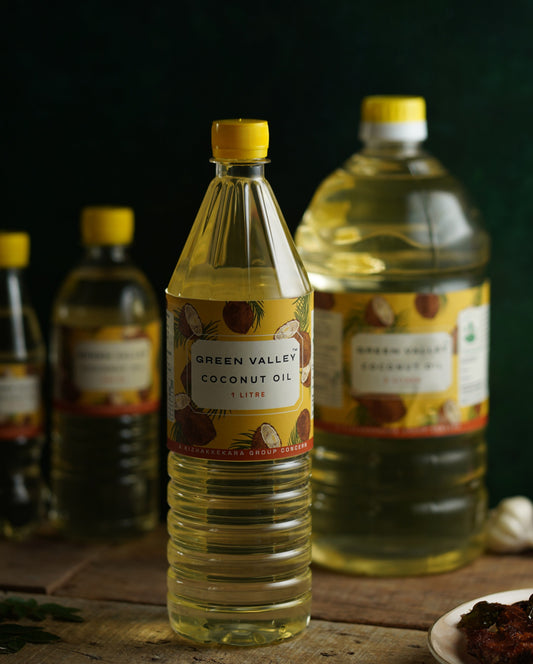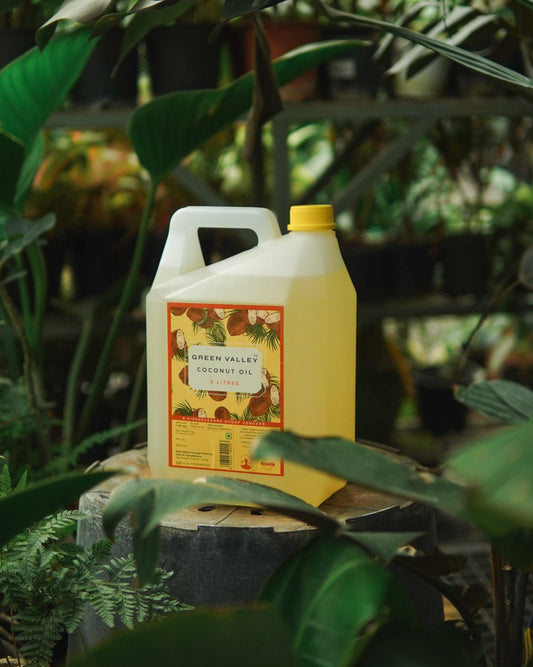

Coconut oil has an interesting reputation. In some households, it is a basic cooking staple. In others, it sits beside speciality oils and feels almost luxurious. So which one is true? Is coconut oil an everyday, affordable oil or an expensive premium product?
The answer lies somewhere in between. Coconut oil can be both affordable and expensive depending on how it is produced, processed, and sold. Understanding why requires looking at the journey from coconut tree to bottle.
The Raw Ingredient Isn’t As Simple As It Looks
At first glance, coconut oil sounds easy to produce. After all, coconuts grow abundantly in tropical regions like India, Indonesia, and the Philippines.
But turning coconuts into oil is surprisingly resource-intensive.
To produce coconut oil, the meat of the coconut must first be dried into copra or processed as fresh coconut flesh. Extraction then requires pressing, filtering, and refining, depending on the final product.
What many people do not realise is how much raw material is required. Producing one ton of coconut oil can require around 6.5 tons of dried copra or roughly 10 tons of fresh coconuts, meaning the cost of raw coconuts makes up a large share of production expenses.
In fact, the raw material alone can account for 60–70% of the total production cost of coconut oil. That is one of the biggest reasons coconut oil often costs more than many other cooking oils.
Why Coconut Oil Can Cost More Than Other Oils
Compared with oils like sunflower, soybean, or palm oil, coconut oil has a few economic disadvantages.
1. Lower Yield Per Crop
Oil crops like soybean and sunflower are specifically bred for oil extraction and can produce oil in large quantities. Coconuts are slower-growing and harvested manually in many regions. The yield per hectare tends to be lower, which means production cannot scale as easily.
2. Labour-Intensive Harvesting
Coconuts are typically harvested from tall palm trees. In many regions, this still involves manual climbing or skilled labour. Mechanisation is limited compared with other oil crops.
This increases production costs.
3. Climate Sensitivity
Coconut production is vulnerable to weather changes, pests, and diseases. When harvests drop, prices quickly rise because global supply becomes tight.
Recent market data shows that supply disruptions and strong demand have pushed coconut oil prices significantly higher in some years.
What Coconut Oil Actually Costs
Prices vary widely depending on quality and location.
In India, wholesale coconut oil prices have recently hovered around ₹370–₹400 per kilogram, though retail prices can be higher depending on packaging and branding.
Premium varieties such as organic or cold-pressed oils may sell for ₹600 per litre or more in retail markets.
Globally, coconut oil export prices can vary dramatically depending on supply and demand. In recent years, international prices have ranged from about $1.9 to $8 per kilogram across different markets and qualities.
This wide range explains why some people consider coconut oil cheap while others see it as expensive.
Why Premium Coconut Oil Costs Much More
If you have ever compared a regular cooking coconut oil with an organic “virgin coconut oil,” you may notice a large price difference.
That difference usually comes from processing.
Virgin Coconut Oil
Virgin coconut oil is extracted from fresh coconut meat without high heat or chemical refining. The process is slower and produces smaller yields.
Because of this, it tends to be more expensive but retains more natural aroma and minor nutrients.
Cold-Pressed Oil
Cold-pressed coconut oil is extracted mechanically at low temperatures. This method protects delicate compounds but reduces efficiency, increasing cost.
Organic Certification
Organic coconut oil also requires specific farming practices, certification, and traceability systems, all of which raise production costs.
These oils often cost significantly more than standard refined coconut oil.
Demand Is Also Driving Prices
Another reason coconut oil can be expensive today is simple economics: more people want it.
Coconut oil is used in several industries:
- cooking and food products
- skincare and cosmetics
- pharmaceuticals
- soaps and detergents
- health supplements
This wide demand increases competition for the same supply of coconuts.
Market analysts note that demand from food and cosmetic industries continues to keep coconut oil prices relatively high globally.
When Coconut Oil Feels Affordable
Despite all these factors, coconut oil is not always expensive.
In regions where coconuts grow locally, such as coastal India, Sri Lanka, or parts of Southeast Asia, locally produced coconut oil can be relatively affordable.
Traditional homemade coconut oil in villages can be significantly cheaper than branded supermarket products. Packaging, marketing, and transport often add a large portion of the retail price.
The Quality Factor
Another reason coconut oil sometimes appears expensive is quality differences.
Lower-cost oils may be:
- refined or deodorised
- blended with other oils
- produced from lower-grade copra
Higher-priced oils are usually:
- cold-pressed
- organic
- unrefined
- carefully filtered
These differences affect both price and perceived quality.
The Final Verdict
So, is coconut oil usually expensive?
Not necessarily. It sits in the middle of the cooking oil price spectrum. Compared with mass-produced oils like soybean or palm oil, coconut oil can be more expensive because it requires large amounts of raw coconuts and more labour to produce.
However, in coconut-growing regions, it can still be reasonably affordable, especially in its traditional forms.
What really determines the price is processing method, quality level, and global supply conditions. A basic cooking coconut oil may be moderately priced, while organic cold-pressed virgin coconut oil can easily become a premium product.
In other words, coconut oil itself isn’t inherently expensive. It simply becomes expensive when the process of making it more natural, pure, and minimally processed increases the cost.