
When hair becomes dry and damaged, the instinct is usually simple: add oil. But standing in front of a shelf of oils can feel like choosing between two very persuasive promises. Coconut oil claims deep repair. Flaxseed oil promises nourishment and shine.
Both sound convincing. Both come from plants. But when it comes to dry, damaged hair, they do not work in exactly the same way.
Understanding the difference begins with what damaged hair actually needs.
What Happens When Hair Becomes Dry And Damaged?
Hair damage usually begins when the protective cuticle layer lifts or erodes. This can happen because of bleaching, heat styling, harsh shampoos, sun exposure, or mechanical stress from brushing and styling.
When the cuticle is compromised, several things happen:
- Moisture escapes more easily.
- Protein from the hair shaft begins to leak out.
- The hair becomes rough and porous.
- Breakage becomes more likely.
Repairing this damage is difficult because hair is not living tissue. Once a strand is damaged, it cannot biologically heal. The goal of hair care products is therefore not true repair but protection and reinforcement.
This is where oils come in.
How Coconut Oil Works On Hair
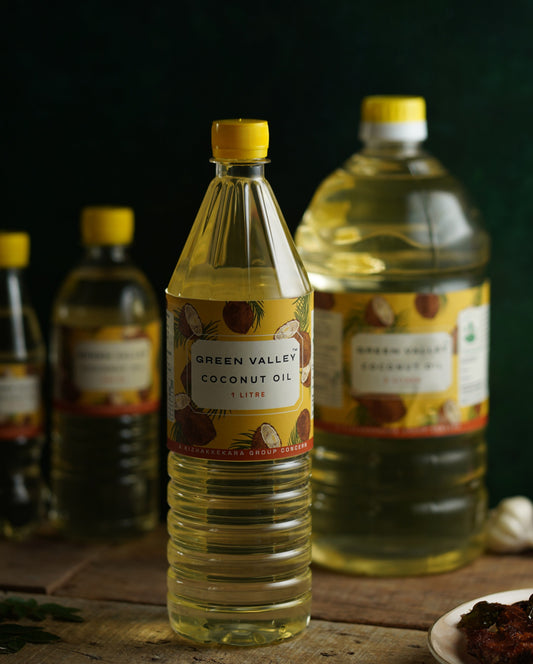
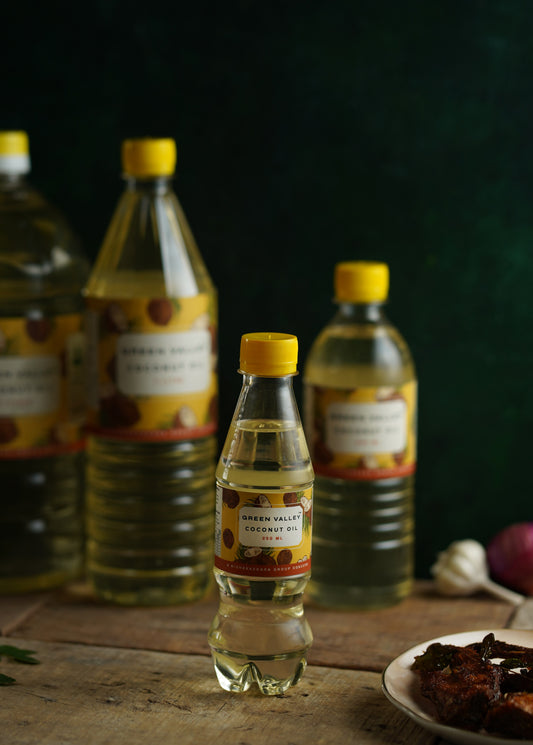
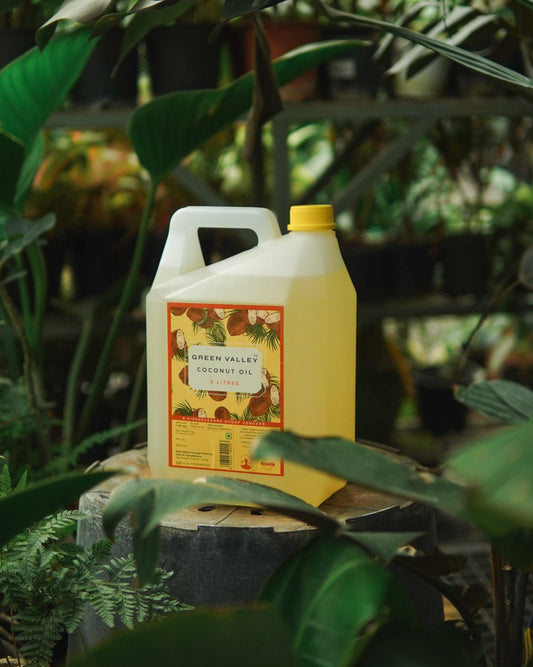
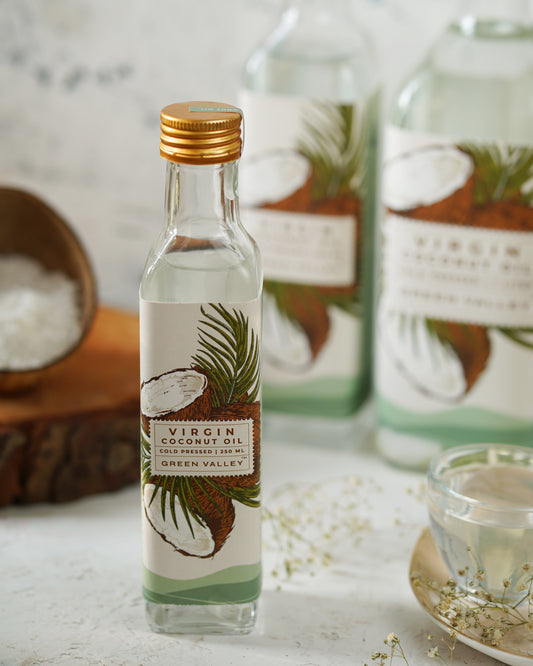
Coconut oil has been studied extensively in cosmetic science, particularly for its ability to protect hair proteins.
The key component responsible for this effect is lauric acid, a medium-chain fatty acid that makes up a large portion of coconut oil. Lauric acid has a small molecular size and a straight molecular structure, which allows it to penetrate the hair shaft more effectively than many other oils.
Coconut oil significantly reduces protein loss when used as a pre-wash or post-wash treatment on both damaged and undamaged hair. Because it penetrates into the cortex of the hair, it helps fill gaps in the hair structure and strengthens the strand internally.
For dry, damaged hair, this penetration is particularly valuable. Instead of simply coating the hair, coconut oil can reinforce the strand from within.
Another benefit is its ability to form a protective layer around the hair cuticle. This reduces friction during combing and washing, which helps prevent additional breakage.
In practical terms, coconut oil acts as both a penetrating oil and a protective barrier.
How Flaxseed Oil Works On Hair
Flaxseed oil, sometimes called linseed oil, has a very different composition.
Unlike coconut oil, which is rich in saturated fatty acids, flaxseed oil contains a high concentration of polyunsaturated fatty acids, particularly alpha-linolenic acid (ALA), an omega-3 fatty acid.
These fatty acids provide excellent nutritional and anti-inflammatory benefits when consumed in the diet. However, their behavior on hair is different from that of saturated fats.
Flaxseed oil tends to sit on the surface of the hair rather than penetrating deeply. This creates a smoothing effect that can improve shine and reduce frizz. The oil forms a light coating over the cuticle, helping the hair feel softer and more manageable.
Some hair care specialists also note that flaxseed oil may help improve scalp condition because omega-3 fatty acids are associated with anti-inflammatory properties. A healthy scalp environment can support normal hair growth cycles.
However, compared with coconut oil, flaxseed oil has limited evidence supporting its ability to reduce protein loss in hair strands.
The Structural Difference Between The Two Oils
The key difference between these oils lies in their chemistry.
Coconut oil contains mostly saturated fats, which are stable and capable of penetrating hair fibres. This penetration allows coconut oil to reduce protein loss and strengthen damaged strands.
Flaxseed oil contains highly unsaturated fats with multiple double bonds. These molecules are larger and more reactive, which makes them excellent nutritional fats but less effective at entering the hair shaft.
Instead of penetrating, flaxseed oil mainly coats the surface of the hair.
This distinction explains why the two oils feel so different when applied.
Coconut oil often feels heavier and more conditioning, while flaxseed oil feels lighter and more smoothing.
Which Oil Is Better For Damaged Hair?
For hair that is severely dry, brittle, or chemically damaged, coconut oil generally performs better.
Because it penetrates into the hair shaft, coconut oil can help reduce structural damage and minimise protein loss. This protective effect can make hair stronger and less prone to breakage over time.
Flaxseed oil, on the other hand, is better suited for improving surface appearance. It can enhance shine, reduce frizz, and smooth the hair cuticle, but it does not provide the same level of internal reinforcement.
That does not mean flaxseed oil has no place in hair care. For people with moderately dry hair who want a lightweight finishing oil, flaxseed oil can work well.
But when hair is truly damaged, coconut oil usually offers more structural support.
When Flaxseed Oil Might Be The Better Choice
There are situations where flaxseed oil can outperform coconut oil.
Some people find coconut oil too heavy, particularly if they have fine hair or a scalp that becomes oily easily. In these cases, flaxseed oil provides conditioning without weighing the hair down.
Flaxseed oil is also popular in natural hair care routines because it can enhance curl definition and smooth frizz.
Additionally, flaxseed oil gels made from boiled flaxseeds are widely used in curly hair routines to provide hold and moisture.
So while coconut oil excels at strengthening, flaxseed oil can be useful for styling and surface conditioning.
How To Use These Oils For Best Results
If your hair is dry and damaged, coconut oil works best as a pre-wash treatment.
Apply a small amount to dry hair and leave it on for at least 30 minutes before shampooing. This allows the oil time to penetrate the hair shaft and reduce protein loss during washing.
Flaxseed oil is better used as a light leave-in oil applied to damp hair after washing. Because it coats the hair surface, it helps lock in moisture and add shine.
Some people even combine the two approaches: coconut oil for deep conditioning and flaxseed oil as a finishing oil.
The Final Verdict
If your hair is severely dry or damaged, coconut oil is generally the better option. Its ability to penetrate the hair shaft and reduce protein loss makes it particularly useful for strengthening weakened strands.
Flaxseed oil, while beneficial in its own way, mainly works on the surface of the hair. It improves shine and smoothness but does not provide the same level of internal protection.
In simple terms, coconut oil strengthens the structure of damaged hair, while flaxseed oil polishes the outside.
For truly dry, fragile hair, structural support matters more than shine. Coconut oil usually wins that role.