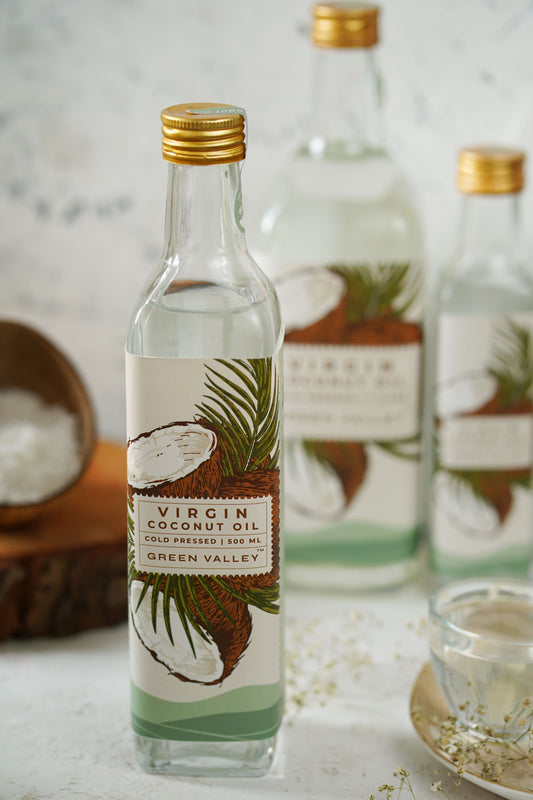

Coconut oil has a reputation for being one of the most stable natural oils in the kitchen. Unlike many vegetable oils that quickly turn rancid, coconut oil can sit on a shelf for months or even years without spoiling. But if you’ve ever stared at a jar labelled “organic virgin coconut oil” and wondered how long it actually lasts, you’re not alone.
The answer depends on a few factors: how the oil is processed, how it is stored, and whether the jar has already been opened.
The Natural Stability Of Coconut Oil
One of the reasons coconut oil lasts longer than many other cooking oils is its fatty acid composition. Around 90 per cent of the fats in coconut oil are saturated fats. Chemically, saturated fats are more stable because they lack the double bonds that make unsaturated fats prone to oxidation.
Oxidation is the process that causes oils to go rancid. Oils high in polyunsaturated fats, such as flaxseed or sunflower oil, contain multiple double bonds that react easily with oxygen and break down more quickly.
Coconut oil, by contrast, resists oxidation better. This stability gives it a naturally long shelf life compared with many plant oils.
Typical Shelf Life Of Organic Coconut Oil
In general, organic virgin coconut oil can last between 12-18 months when stored properly.
Refined coconut oil, which has undergone additional processing to remove impurities, may last even longer because the refining process removes compounds that can contribute to spoilage.
The exact shelf life often depends on the type of coconut oil:
- Virgin or cold-pressed coconut oil: about 1–1.5 years
- Refined coconut oil: up to 3 years or sometimes longer
- Homemade coconut oil: usually shorter, around several months to one year
Most commercial products include a “best before” date that reflects the manufacturer’s estimate of peak quality rather than a strict expiration deadline.
What Makes Organic Coconut Oil Last So Long
Several natural properties help extend coconut oil’s lifespan.
High Saturated Fat Content
As mentioned earlier, saturated fats are chemically stable. Because coconut oil contains mostly saturated fatty acids such as lauric acid, it is less vulnerable to oxidation than oils rich in polyunsaturated fats.
Low Moisture Content
Properly processed coconut oil contains very little water. Low moisture levels prevent microbial growth and reduce the likelihood of spoilage.
Natural Antioxidants
Virgin coconut oil contains small amounts of antioxidant compounds such as polyphenols and vitamin E. These compounds help slow oxidative reactions, which further improves shelf life.
Together, these factors make coconut oil one of the most stable plant oils available.
How Storage Affects Shelf Life
Even though coconut oil is relatively stable, storage conditions still matter. Exposure to certain environmental factors can gradually degrade the oil.
Heat
High temperatures accelerate oxidation and can shorten shelf life. Coconut oil should ideally be stored in a cool environment, away from direct heat sources like stoves or ovens.
Light
Ultraviolet light can break down oils over time. Storing coconut oil in opaque containers or in a dark cupboard helps protect it from light exposure.
Air
Every time the jar is opened, oxygen enters the container. Over long periods, oxygen exposure can slowly trigger oxidative reactions that affect flavour and quality.
Keeping the lid tightly sealed reduces this risk.
Should Coconut Oil Be Refrigerated?
Refrigeration is not necessary for coconut oil because it is naturally stable at room temperature. However, refrigeration can extend shelf life slightly by slowing oxidation.
If refrigerated, coconut oil will solidify into a harder texture. This does not damage the oil but may make it slightly more difficult to scoop.
For most households, storing coconut oil in a cool pantry or cupboard is perfectly adequate.
Signs That Coconut Oil Has Gone Bad
Even though coconut oil lasts a long time, it can eventually spoil. When this happens, the changes are usually easy to notice.
Here are the most common signs of rancidity:
Unpleasant Smell
Fresh coconut oil has a mild coconut aroma or a neutral scent if refined. If the oil develops a sour, musty, or crayon-like smell, it may have oxidised.
Yellow or Darkened Colour
Fresh coconut oil is typically clear when liquid and white when solid. Significant colour changes may indicate degradation.
Bitter or Off Taste
If the oil tastes sharp, bitter, or unusual, it may have turned rancid.
When in doubt, it is best not to consume oil that smells or tastes abnormal.
Does Organic Coconut Oil Spoil Faster?
Organic coconut oil is often minimally processed, which means it retains more natural compounds. While this can provide better flavour and aroma, it may also slightly reduce shelf life compared with heavily refined oils.
However, the difference is usually small. Properly stored organic coconut oil can still last several years without losing quality.
How to Extend the Life of Your Coconut Oil
If you want to maximise shelf life, a few simple habits can help:
- Store the jar in a cool, dark cupboard.
- Keep the lid tightly sealed after each use.
- Use clean, dry utensils when scooping oil to prevent contamination.
- Avoid storing it near heat sources.
These small steps can help maintain freshness for years.
The Final Verdict
Organic coconut oil is one of the most shelf-stable natural oils available. Thanks to its high saturated fat content and low moisture levels, it can typically last between two and three years when stored properly.
While it may eventually develop signs of rancidity, proper storage in a cool, dark place can keep coconut oil fresh for a long time.
In many kitchens, a single jar of coconut oil can comfortably outlast several bottles of other cooking oils.