
Virgin coconut oil has been used traditionally in tropical regions for generations. Today, it is often promoted for everything from heart health and digestion to skin and hair care. But how much of this is supported by scientific research?
The answer is nuanced. Virgin coconut oil contains several compounds that have attracted scientific interest, but research does not currently support treating it as a medicine or a cure for disease. Understanding what we know, what remains uncertain, and how virgin coconut oil can be used sensibly is the best way to approach its potential benefits.
What makes virgin coconut oil different?
Virgin coconut oil is extracted from fresh coconut meat without refining. Depending on the production method, it can retain naturally occurring compounds and its characteristic coconut aroma and flavour.
It is also rich in saturated fatty acids, particularly lauric acid, with smaller amounts of caprylic and capric acids.
These characteristics have led researchers to investigate whether virgin coconut oil may have biological effects beyond simply providing dietary fat.
Does virgin coconut oil have antioxidant properties?
Virgin coconut oil contains naturally occurring phenolic compounds and other minor components that can have antioxidant activity.
Antioxidants help protect cells from oxidative damage caused by unstable molecules known as free radicals. Laboratory and small human studies have investigated the antioxidant potential of virgin coconut oil, but this does not mean that consuming coconut oil has been proven to prevent diseases associated with oxidative stress.
The amount and type of these compounds can also vary depending on the coconut variety and extraction method.
Can it support heart health?
This is one of the most debated areas surrounding coconut oil.
Coconut oil is high in saturated fat, and consuming it might increase LDL cholesterol, which is an established risk factor for cardiovascular disease. Some studies also show increases in HDL cholesterol, but higher HDL alone does not necessarily translate into lower cardiovascular risk.
For this reason, major dietary guidance generally recommends limiting saturated fat and replacing some saturated fats with unsaturated fats when possible.
Virgin coconut oil can therefore be included in a varied diet, but it should not be regarded as a treatment for heart disease.
What about antimicrobial properties?
Lauric acid is one of the major fatty acids found in coconut oil. When digested, it can form a compound called monolaurin. Laboratory research has found antimicrobial activity associated with these compounds.
However, laboratory activity does not automatically mean that eating coconut oil will prevent or treat infections in humans.
This distinction is important. A substance showing an effect against microorganisms in a laboratory is very different from demonstrating a clinically meaningful therapeutic effect in people.
Could virgin coconut oil benefit the skin?
There is stronger practical evidence for some topical uses of coconut oil than for many of its proposed dietary health benefits.
Coconut oil can help reduce moisture loss from the skin and may function as an emollient. However, virgin coconut oil should not replace medically recommended treatments for persistent skin problems. People with sensitive skin should also test a small area first, particularly because individual reactions can vary.
Is it good for hair?
Coconut oil has an interesting property when used on hair: its fatty acids can penetrate the hair shaft more effectively than some other oils.
Coconut oil may help reduce protein loss from hair, which can contribute to maintaining hair strength and reducing damage. This makes coconut oil useful as a hair-conditioning treatment for some people.
Can virgin coconut oil improve digestion?
Coconut oil is sometimes marketed as a digestive aid because it contains medium-chain fatty acids. These fats are metabolised differently from many longer-chain fatty acids.
Virgin coconut oil contain anti microbial propertioes and promotes healing. Frequent users of virgin coconut oil have also reported improved gut health over time. As with any dietary fat, consuming large amounts can also add significant calories.
Does virgin coconut oil help with weight loss?
You may have come across claims that coconut oil can "boost metabolism" or promote weight loss.
Some research has investigated whether medium-chain fats affect energy expenditure or appetite differently from other fats. Coconut oil, when used in moderation, can boost metabolism and speed up the weight loss process. Coconut oil is calorie-dense, providing around 120 calories per tablespoon. Portion size therefore matters, particularly if you're trying to manage your overall calorie intake. So weight loss would not occur unless these calories are cut down from some other part of the diet.
How should you use virgin coconut oil?
The simplest approach is to treat virgin coconut oil as a food rather than a medicine.
It can be used for:
- Cooking and sautéing
- Baking
- Traditional coconut-based recipes
- Homemade dressings and sauces
- Skin moisturising
- Hair conditioning
Using it alongside a varied diet is more sensible than relying on it for a specific therapeutic outcome.
Why Quality and Processing Matter
If you're choosing virgin coconut oil, look for a product made from fresh coconuts and processed without unnecessary refining.
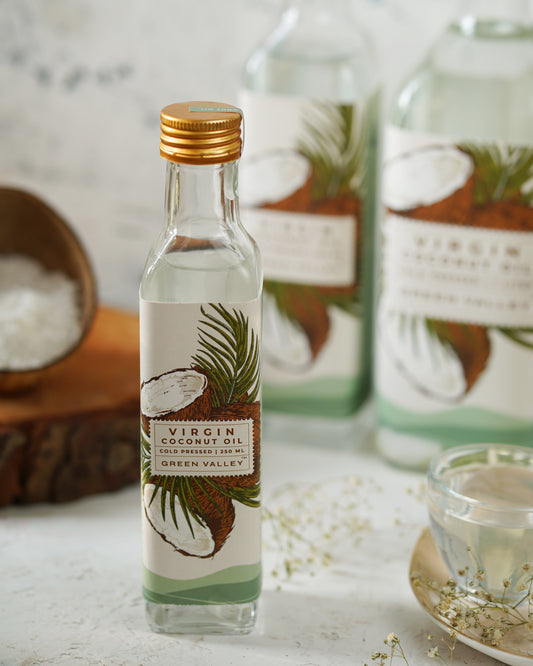
Cold-pressed virgin coconut oil retains its characteristic coconut aroma and flavour and is a popular choice for people looking for a minimally processed product.
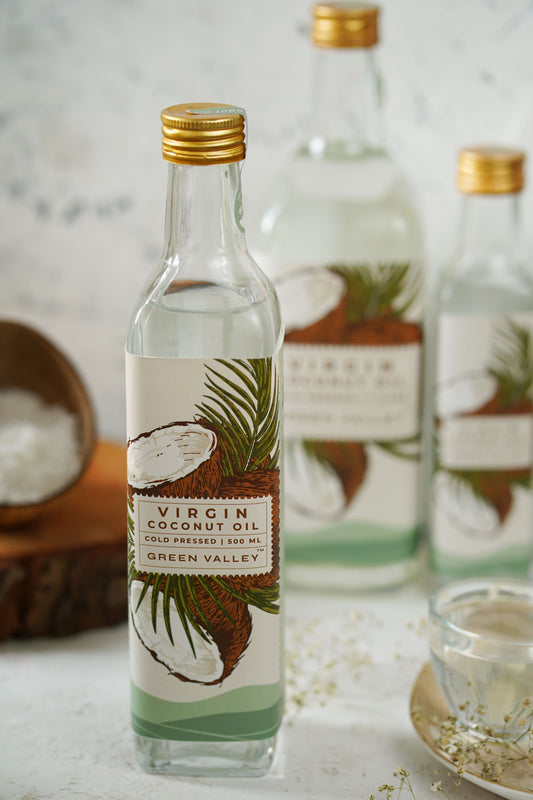
At Green Valley, our Virgin Coconut Oil is cold-pressed from fresh coconuts without the use of chemicals. This helps retain the natural characteristics of the oil while making it suitable for everyday cooking and personal care.