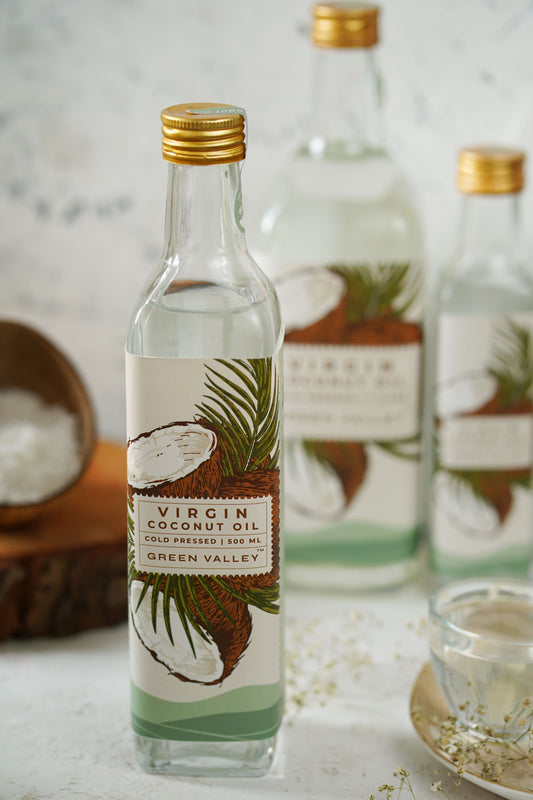

Ah, hunger. That sneaky little feeling that shows up five minutes after you’ve sworn you’re “done eating for the day.” It has the power to make us raid refrigerators, destroy diets, and question every ounce of self-control we thought we had. But what if we told you there’s a way to actually tame hunger, not through willpower, but through something sitting quietly in your kitchen: coconut oil?
Let’s dig into the science of how coconut oil might just be the only thing you need against those pesky hunger pangs.
The Secret Weapon: MCTs In Coconut Oil
First things first, the reason coconut oil gets so much attention in the world of nutrition is because it’s rich in medium-chain triglycerides, or MCTs for short.
Most dietary fats are made of long-chain fatty acids, which take a while to digest and are stored in fat tissues. MCTs, however, are shorter in structure and are quickly absorbed and sent straight to the liver. There, they’re converted into energy or ketones instead of being stored.
Ketones have been found to reduce appetite. That means the MCTs in virgin coconut oil can help you feel full faster and stay full longer.
In other words, while most fats make you lazy and sleepy, coconut oil’s fats are like that friend who drags you to the gym on a Saturday morning, full of unexpected energy and motivation.
The Science Backs It Up
Now, this isn’t just another internet wellness rumour. There’s actual research behind the appetite-suppressing effects of coconut oil.
A 2014 study published in the European Journal of Clinical Nutrition found that people who consumed MCT oil in the morning ate significantly fewer calories throughout the day compared to those who consumed olive oil. Another study in the American Journal of Clinical Nutrition noted that MCTs lead to increased satiety hormones such as leptin and peptide YY, both of which signal your brain that you’ve had enough food.
So while a spoonful of coconut oil might not magically make you forget about pizza, it can help your stomach whisper to your brain, “We’re good here.”
When And How To Take Coconut Oil
If you’re looking to use coconut oil to curb your appetite, timing matters.
Try adding one tablespoon of virgin coconut oil to your breakfast, maybe blended into your smoothie, drizzled over oats, or mixed into your morning coffee (yes, that’s a thing, and we’ll talk about it in another article). The MCTs provide a slow, steady release of energy that keeps you full till lunchtime.
Avoid consuming it right before a meal, though. The idea is to use it as part of your meal, not as a pre-snack snack.
And a friendly reminder - start slow. Too much coconut oil too soon can upset your stomach or cause nausea. Begin with half a tablespoon per day and work your way up as your body adjusts.
Coconut Oil vs Other Fats
Now you might ask, “Why coconut oil? Can’t I just eat butter or olive oil for the same effect?”
Here’s the deal: while other oils contain long-chain triglycerides (LCTs), virgin coconut oil is uniquely rich in lauric acid and caprylic acid - two types of MCTs that your body breaks down rapidly into energy. That quick conversion gives your metabolism a nudge and your hunger a pause.
Butter and olive oil, on the other hand, are absorbed more slowly and don’t trigger the same metabolic response. So while they’re great in moderation, they won’t have the same hunger-fighting edge that coconut oil does.
The Common Misconception
Let’s clear the air - coconut oil is not a magic diet pill. You can’t spoon it by the jar and expect to shed kilos or never feel hungry again.
The hunger-suppressing effects work best when coconut oil is part of a balanced diet — one that includes fibre, protein, and hydration. Think of coconut oil as a tool, not a shortcut. It can make your diet easier to stick to, but it can’t replace the fundamentals of eating well.
And if you’re following a keto or intermittent fasting lifestyle, coconut oil fits right in. It helps sustain energy without breaking ketosis and makes fasting periods much more manageable.
Bonus Benefits For Health
Beyond appetite control, coconut oil brings along a bouquet of other benefits:
-
Supports digestion: MCTs are easier to digest and may help improve gut function.
-
Boosts energy: Since it’s quickly metabolised, it gives you an instant energy boost.
-
Balances hormones: Healthy fats like coconut oil are essential for hormone production.
-
Improves skin and hair: When used topically, it locks in moisture and restores shine.
It’s safe to say - whether you eat it, apply it, or just admire it in your pantry, coconut oil does more than one job well.
Final Thoughts
So, does coconut oil help to reduce hunger?
Yes, and it does so smartly.
The MCTs in virgin coconut oil have been shown to naturally reduce appetite, increase energy, and support weight management. But like everything good in life, the trick lies in moderation. One to two tablespoons a day, paired with wholesome meals and regular movement, can help keep those random snack urges at bay.
Coconut oil isn’t here to shame your cravings. It’s here to make peace with them.
And sometimes, that peace tastes like a spoonful of tropical sunshine.