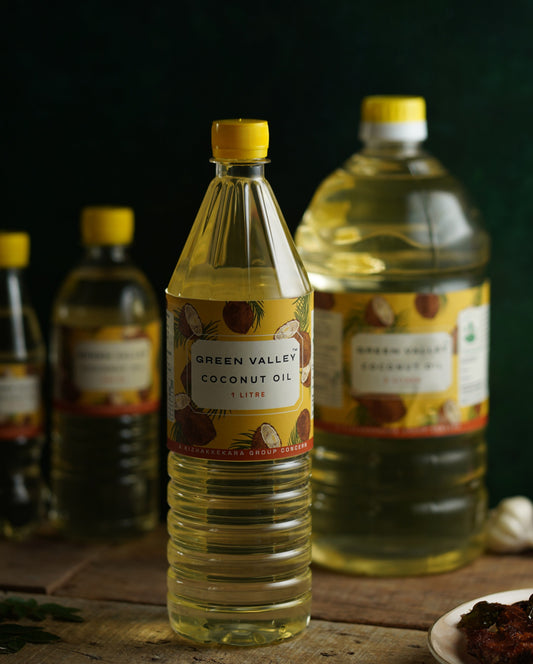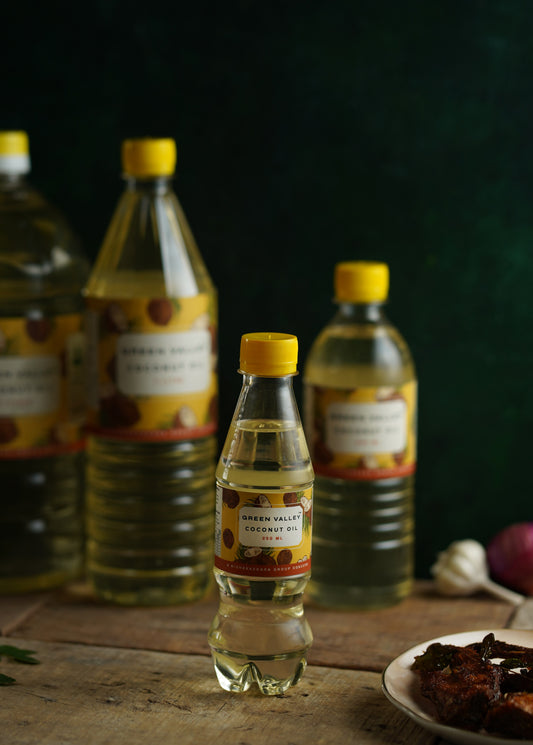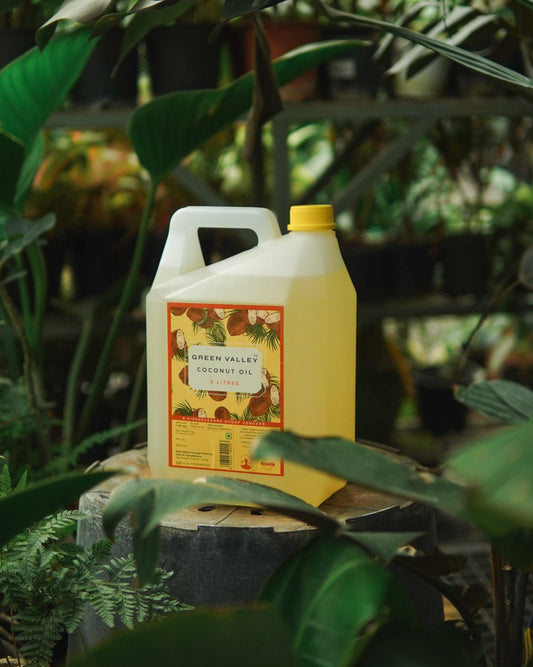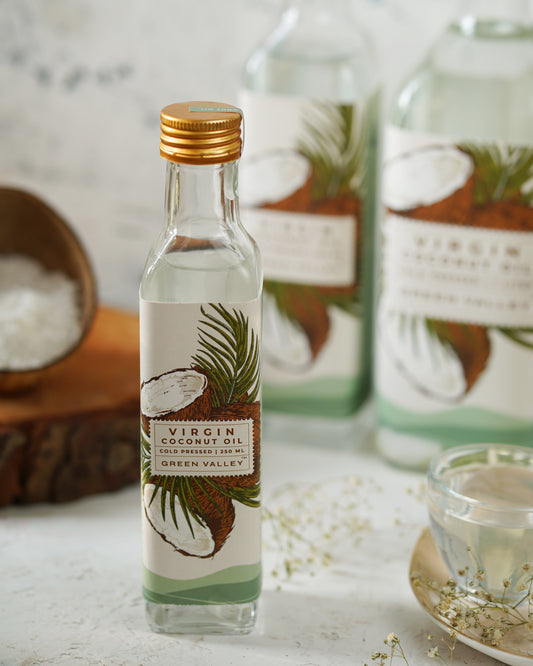

Cold-pressed coconut oil has developed a reputation somewhere between a superfood and a beauty staple. It appears in skincare routines, hair treatments, and increasingly, kitchen shelves. But one question still causes confusion: can you actually cook with cold-pressed coconut oil, or is it better kept for salads and smoothies?
The short answer is yes, you can cook with it. The longer answer depends on how you cook, how hot your pan gets, and what kind of coconut oil you’re using.
What Is Cold-Pressed Coconut Oil?
Cold-pressed coconut oil is extracted from fresh coconut meat using mechanical pressure rather than high heat or chemical refining. Because the oil is pressed at relatively low temperatures, it retains more of the natural compounds found in coconuts.
This type of oil typically contains:
- Medium-chain fatty acids (MCFAs) such as lauric acid, capric acid, and caprylic acid
- Small amounts of vitamin E and polyphenols
- Natural coconut aroma and flavour
The fatty acid composition is what makes coconut oil distinctive. Roughly 90 per cent of the fat in coconut oil is saturated fat, with lauric acid being the dominant component.
This high level of saturated fat also influences how the oil behaves under heat.
Why Coconut Oil Handles Heat Well
Cooking oils behave differently depending on their fatty acid structures. Oils rich in polyunsaturated fats, such as flaxseed or sunflower oil, tend to break down more quickly when heated because their double bonds are chemically unstable.
Coconut oil, in contrast, contains mostly saturated fats, which are chemically more stable at high temperatures. This stability means the oil is less prone to oxidation compared with many vegetable oils.
Because of this, coconut oil can tolerate moderate cooking temperatures reasonably well.
Understanding the Smoke Point
Every cooking oil has a temperature at which it begins to break down and produce visible smoke. This temperature is called the smoke point.
For coconut oil, the smoke point depends on how it is processed.
Typical ranges are:
- Virgin or cold-pressed coconut oil: about 175°C
- Refined coconut oil: about 200–230°C
The difference exists because refining removes certain natural compounds that burn at lower temperatures.
A smoke point of around 175°C means cold-pressed coconut oil works well for moderate-heat cooking, such as sautéing vegetables, light frying, or baking.
However, for extremely high-temperature cooking methods like deep frying or wok cooking, refined coconut oil may be more suitable because it tolerates higher heat before smoking.
What Happens If You Overheat It
If cold-pressed coconut oil is heated beyond its smoke point, several chemical changes occur.
The oil begins to degrade, producing:
- Free radicals
- Oxidation products
- Volatile compounds that create the smoke
In addition, glycerol molecules in the oil can break down into acrolein, a compound responsible for the sharp smell of overheated oil.
Overheating also reduces the oil’s natural antioxidants and can affect flavour.
For this reason, culinary experts generally recommend using cold-pressed coconut oil at medium heat rather than extremely high heat.
How It Performs In Different Types Of Cooking
Cold-pressed coconut oil behaves particularly well in certain cooking styles.
Sautéing and Stir-Frying
For cooking vegetables, eggs, or light stir-fries at moderate heat, cold-pressed coconut oil performs well. Its stability helps prevent rapid oxidation, and it adds a mild coconut flavour.
Baking
Coconut oil works well in baking recipes where it can replace butter or vegetable oils. Because it solidifies at cooler temperatures, it can create a texture similar to butter in certain baked goods.
Roasting
For roasting vegetables at moderate oven temperatures (around 160–180°C), coconut oil can perform well, though the flavour may be noticeable.
Deep Frying
Deep frying often requires temperatures close to or above the smoke point of virgin coconut oil. In this case, refined coconut oil or other high-heat oils are usually preferred.
Flavour Considerations
One factor that distinguishes cold-pressed coconut oil from refined versions is flavour.
Cold-pressed oil retains a distinct coconut aroma and taste, which can influence the final dish.
This flavour works well in:
- curries
- baked desserts
- tropical recipes
- certain vegetable dishes
However, it may not suit recipes where a neutral oil is preferred. In those cases, refined coconut oil or other cooking oils may be more appropriate.
Nutritional Profile During Cooking
Coconut oil’s nutritional composition remains relatively stable during moderate heating because saturated fats are less susceptible to oxidation than polyunsaturated fats.
Medium-chain fatty acids such as lauric acid are metabolised differently from long-chain fatty acids and are absorbed quickly by the body. However, it is still important to remember that coconut oil is high in saturated fat, which many health authorities recommend consuming in moderation.
When Cold-Pressed Coconut Oil Is the Best Choice
Cold-pressed coconut oil is particularly useful when:
- You want a minimally processed cooking oil
- You prefer natural flavour in dishes
- You are cooking at moderate temperatures
- You are baking recipes that benefit from its texture
Its stability and rich fatty acid composition make it versatile for everyday cooking, provided the heat stays within a reasonable range.
The Final Verdict
Yes, you can cook with cold-pressed coconut oil. Its high saturated fat content makes it relatively stable during cooking, and its smoke point of around 175°C allows it to handle most medium-heat cooking methods such as sautéing, roasting, and baking.
However, because its smoke point is lower than that of refined coconut oil, it is not the best choice for extremely high-temperature cooking like deep frying.
In short, cold-pressed coconut oil works best when treated as a moderate-heat cooking oil with flavour, rather than a neutral oil for intense frying.
Handled properly, it can move comfortably from the beauty shelf to the kitchen stove without losing its usefulness.