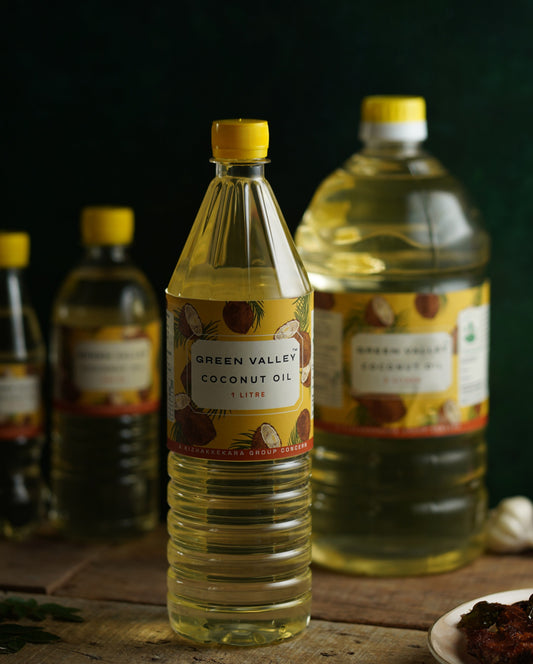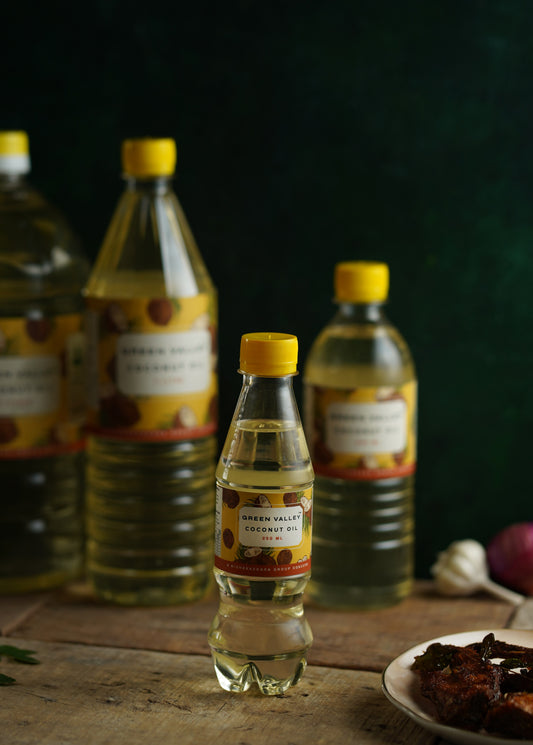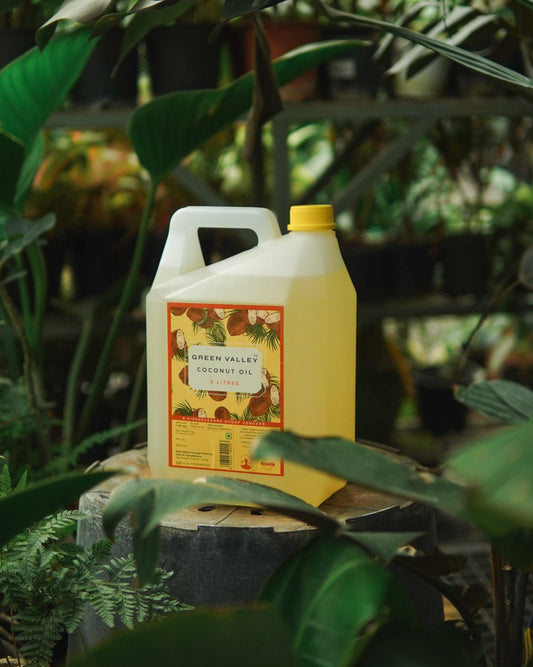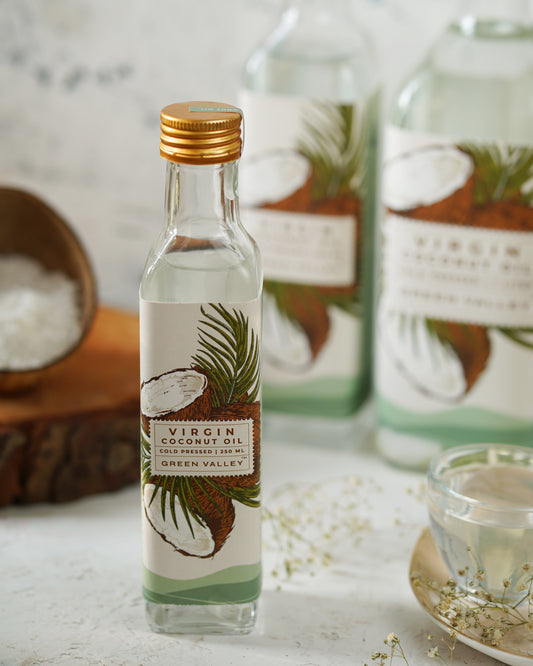

Few oils have travelled as comfortably between the kitchen and the wellness world as coconut oil. It fries vegetables, conditions hair, and often appears in massage routines as well. But is coconut oil actually suitable for body massage, or is it simply a convenient household substitute for specialised massage oils?
The answer is straightforward: yes, coconut oil can be used for body massage, and in many traditions it has been used for centuries. However, understanding why it works and when it may not be ideal helps you use it more effectively.
Why Coconut Oil Works Well For Massage
Massage oils serve two main purposes: they reduce friction between the hands and skin, and they help nourish or protect the skin during the massage process. Coconut oil performs well on both fronts.
One of its biggest advantages is its fatty acid composition. Coconut oil contains a high concentration of medium-chain fatty acids, particularly lauric acid, along with capric and caprylic acids. These fats create a smooth, lubricating layer on the skin, allowing hands to glide easily during massage.
At the same time, coconut oil functions as an emollient, meaning it softens and smooths the skin by forming a barrier that reduces moisture loss. Dermatological research has shown that coconut oil can help improve skin hydration and reinforce the skin barrier, making it particularly helpful for dry skin.
This combination of glide and moisture retention makes coconut oil a practical massage medium.
Moisturising Benefits For The Skin
Dry skin is one of the most common reasons people reach for oils during massage. Coconut oil can be particularly effective because it reduces transepidermal water loss, the process through which moisture escapes from the skin’s surface.
Studies on topical coconut oil have found that it can significantly improve skin hydration levels when used regularly. Its fatty acids help create a protective layer that locks moisture into the skin.
For people with dry or flaky skin, massage with coconut oil can leave the skin feeling softer and smoother for hours after application.
Potential Anti-Inflammatory and Antimicrobial Properties
Coconut oil is not only moisturising; it also contains compounds with mild antimicrobial properties. Lauric acid, one of the oil’s main fatty acids, can convert into monolaurin, which has demonstrated activity against certain bacteria and fungi in laboratory studies.
This property may help maintain a healthier skin environment, particularly when the oil is applied regularly.
Additionally, some research suggests that coconut oil may have anti-inflammatory effects when applied to the skin, which could help calm irritated or inflamed areas. Because of this, coconut oil is sometimes used in traditional massage therapies to soothe tired muscles or dry skin.
However, these benefits should be viewed as supportive rather than medicinal.
How Coconut Oil Feels During Massage
One practical reason coconut oil is popular for massage is its texture.
At cooler temperatures, coconut oil is solid. When it comes into contact with warm skin, it melts quickly into a light liquid. This transition makes it easy to control the amount used and prevents the oil from feeling overly runny.
Compared with some heavier oils, coconut oil tends to absorb moderately into the skin, leaving a soft finish rather than a thick residue.
For longer massage sessions, some therapists mix coconut oil with other oils to extend glide time.
Choosing The Right Type Of Coconut Oil
Not all coconut oils behave the same during massage.
Virgin or Cold-Pressed Coconut Oil
This type is minimally processed and retains its natural coconut scent. It is often preferred for skincare because it contains more natural compounds and antioxidants.
Refined Coconut Oil
Refined coconut oil has been deodorised and processed to remove its coconut aroma. It is commonly used in professional massage settings where a neutral scent is preferred.
Both types can work for massage, though virgin coconut oil may provide slightly more skin-nourishing compounds.
Who Might Benefit Most From Coconut Oil Massage
Coconut oil massage can be particularly helpful for people with:
- dry or rough skin
- mild skin irritation
- frequent muscle fatigue
- sensitive skin that reacts to heavily fragranced products
In many traditional wellness practices, including Ayurvedic routines, coconut oil massage is also used as part of daily body care to maintain skin hydration.
When Coconut Oil Might Not Be Ideal
Despite its benefits, coconut oil is not perfect for everyone.
One limitation is that it can be comedogenic, meaning it may clog pores for some individuals. While this is usually more of a concern on the face, people prone to body acne may want to use it sparingly on the chest or back.
Another consideration is that coconut oil absorbs faster than some massage oils like sweet almond or grapeseed oil. For very long massage sessions, additional oil may need to be reapplied.
Some people may also prefer oils with a lighter texture or neutral scent, depending on personal preference.
Tips For Using Coconut Oil For Massage
To get the most benefit from coconut oil during a massage, a few simple techniques help.
First, warm a small amount of oil between your hands before applying it to the skin. Coconut oil spreads more evenly when slightly warmed.
Second, start with a small amount and add more if needed. Because coconut oil spreads easily, a little often goes a long way.
Finally, consider applying the oil after a warm shower. Warm skin absorbs oils more easily, allowing the massage to feel smoother and more relaxing.
The Final Verdict
Yes, coconut oil is an excellent option for body massage. Its natural fatty acids provide smooth lubrication while helping to moisturise and protect the skin. The oil’s emollient properties can improve hydration and leave the skin feeling soft and nourished.
However, like any skincare product, it works best when matched to your skin type and personal preference. Some people may prefer lighter oils or blends for longer massage sessions.
For everyday body care, though, coconut oil remains one of the simplest and most versatile natural massage oils available. A single jar can easily serve both your kitchen and your wellness routine.