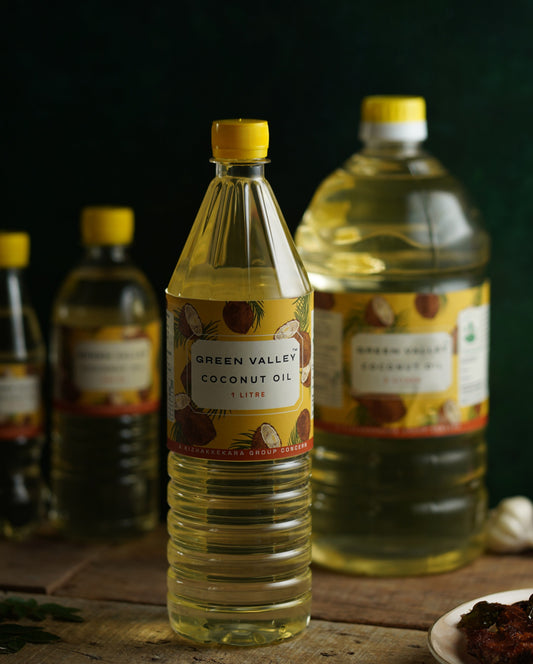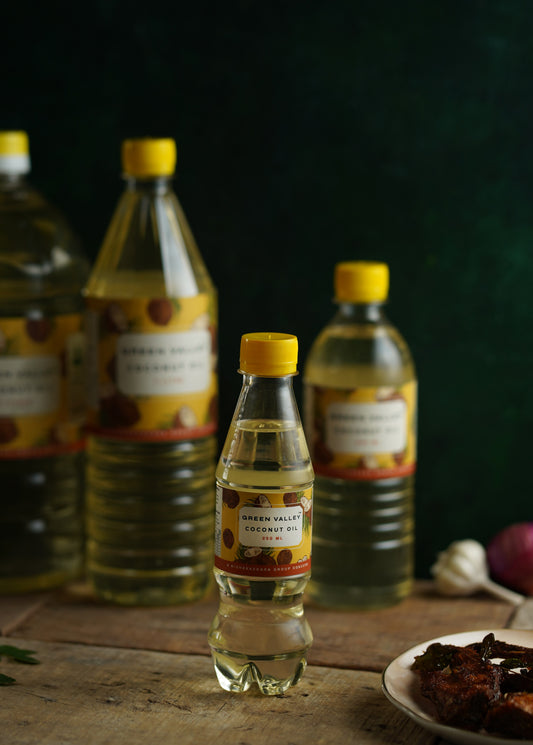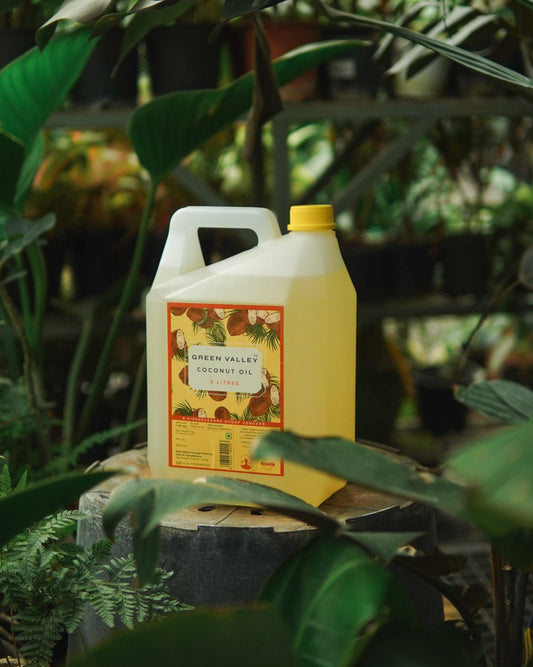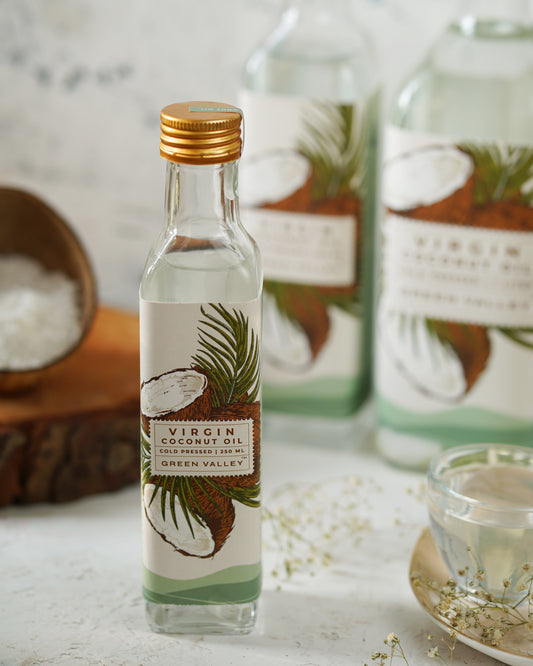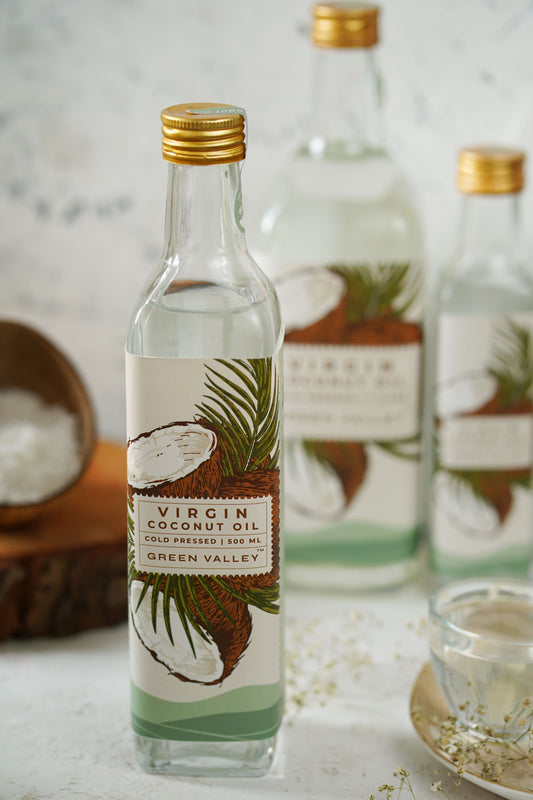

Ah, coconut oil - the multitasker of the skincare world. It cooks, it conditions, it heals, and it moisturises too. But does it really deserve a spot next to your fancy facial creams and serums? Or are we romanticising a kitchen ingredient that belongs in a frying pan, not on our face?
Let’s dive in and find out whether virgin coconut oil truly lives up to its moisturising hype or if it’s just another glow-getting gimmick.
Why Coconut Oil Works
Coconut oil isn’t just any oil. It’s made up of about 90% saturated fats, mostly medium-chain fatty acids (MCFAs) like lauric acid, capric acid, and myristic acid. These fatty acids give it its unique structure - small enough to slip through the skin barrier, nourishing from within.
Here’s why it makes such a great moisturiser:
-
It locks in moisture like a pro - Coconut oil forms a protective layer over the skin, preventing water loss, a major cause of dryness and dullness.
-
It’s packed with natural goodies - It’s rich in vitamin E, antioxidants, and antimicrobial compounds that help repair skin damage, soothe irritation, and fight oxidative stress.
-
It mimics your skin’s natural oils - Coconut oil blends easily with your skin’s lipid layer, making it an ideal emollient for soft, supple skin.
Basically, it’s like nature’s version of your favourite moisturiser, minus the preservatives and complicated ingredient list.
How To Use Coconut Oil As A Moisturiser
If you’ve decided to give virgin coconut oil a try, application is key. Here’s how to make it work with your skin, not against it:
-
Start with a clean face - Wash off dirt, sweat, and makeup. Coconut oil works best when applied to clean, slightly damp skin.
-
Warm a pea-sized amount - Rub a tiny bit between your palms until it melts. You’ll be surprised how far that small amount goes.
-
Press, don’t rub - Gently pat it onto your skin, especially dry spots like cheeks and around the mouth. Avoid aggressive rubbing.
-
Optional: Layer it over a water-based serum - Coconut oil seals in hydration beautifully, especially if you apply it over something light and watery like hyaluronic acid.
The Skin Type Rulebook
Not all skin is created equal, and that’s where the coconut oil debate gets interesting.
Dry or Sensitive Skin
Coconut oil is a dream. It soothes dryness, flakiness, and redness. People with eczema or irritated skin often find that it calms inflammation and restores balance.
Normal or Combination Skin
Use sparingly - only on dry areas or during colder months when your skin needs extra protection.
Oily or Acne-Prone Skin
This is where it gets tricky. Coconut oil is comedogenic, meaning it can clog pores for some people. If you’re acne-prone, patch test first or try lighter oils like jojoba or squalane instead.
The Perks Of Going Natural
Let’s face it. Most commercial moisturisers are a cocktail of water, silicone, and synthetic fragrances. Coconut oil, on the other hand, is pure, simple, and naturally nourishing.
Here are some reasons it wins hearts (and faces):
- Chemical-free hydration: No parabens, alcohols, or preservatives.
-
Long-lasting softness: Its fatty acids penetrate deeper than water-based lotions.
-
Budget-friendly: A single jar lasts for months and costs less than your average latte.
-
Multi-use magic: Works as a lip balm, eye cream, makeup remover, and even a cuticle oil.
When Coconut Oil Doesn’t Work
Of course, not every hero wears a cape, and coconut oil has its limits.
-
It’s heavy. If you apply too much, it can feel greasy or trap heat on the skin.
-
It may cause breakouts. Especially if your pores clog easily.
-
It can stain pillowcases. Let’s just say your bedding might get a little too glossy.
If you notice bumps, blackheads, or irritation, stop using it on your face and switch to a lighter oil.
The Final Verdict
So, can you use coconut oil as a moisturiser for your face?
Yes, but with a few conditions.
If your skin tends to be dry, sensitive, or needs a nourishing glow-up, virgin coconut oil is a fantastic natural moisturiser. It hydrates, softens, and restores the skin barrier like a pro, all while leaving your face smelling faintly of tropical beaches.
But if you have acne-prone or very oily skin, tread carefully. You can still reap the benefits by using it as an occasional overnight treatment or a spot moisturiser on dry patches.
At the end of the day, your face doesn’t need a 10-step routine. Sometimes, it just needs one good jar of coconut oil - simple, soothing, and glow-inducing.
Because great skin doesn’t always come in a pump bottle. Sometimes, it comes in a humble coconut.