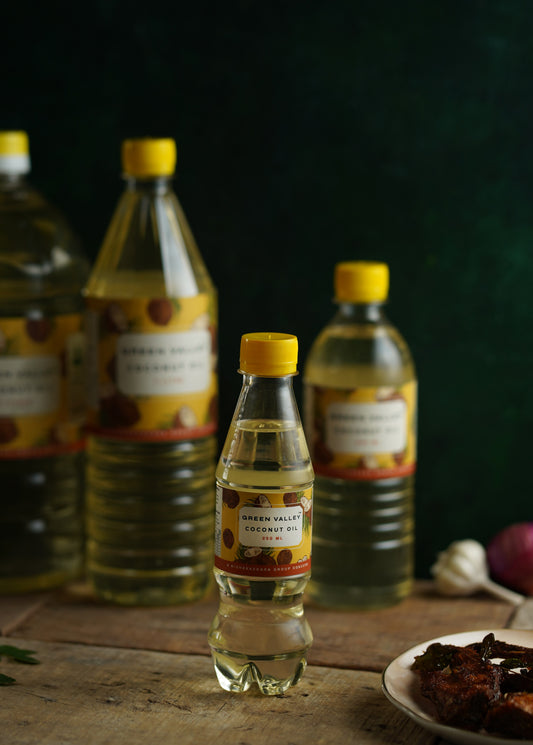

Coconut oil has quietly made its way from the kitchen pantry into health conversations around the world. Some people cook with it. Others use it for skin or hair care. And then there are those who take a spoonful of it straight from the jar each morning, convinced it offers powerful health benefits.
But is eating coconut oil raw actually safe? And more importantly, does it provide any real advantages compared with using it in cooking?
The answer is nuanced. Yes, you can eat raw coconut oil, but understanding what it does inside the body is essential before making it a daily habit.
What “Raw” Coconut Oil Means
When people talk about eating coconut oil raw, they usually mean consuming virgin or cold-pressed coconut oil without heating it. This type of oil is extracted from fresh coconut meat using mechanical pressing rather than chemical refining or high heat.
Because the oil is minimally processed, it retains:
- its natural coconut aroma
- small amounts of antioxidants such as polyphenols
- vitamin E compounds
- Its original fatty acid structure
Raw coconut oil is typically solid at room temperature in cooler climates and melts into a clear liquid when temperatures rise above about 24–26°C.
Eating it raw simply means consuming it in this natural form, often by adding it to smoothies, coffee, or even taking a spoonful directly.
What Happens When You Eat Coconut Oil
Coconut oil is nutritionally unique because most of its fat comes from medium-chain fatty acids (MCFAs) rather than long-chain fatty acids found in many other oils.
The primary fatty acid in coconut oil is lauric acid, which makes up roughly 45–50% of the oil. Other components include caprylic acid and capric acid.
These medium-chain fats are absorbed differently in the body. Instead of being stored immediately in fat tissue, they are transported directly to the liver, where they can be quickly converted into energy.
Because of this metabolic pathway, coconut oil has attracted interest in areas such as metabolism and energy use.
Potential Benefits of Eating Coconut Oil
Several properties of coconut oil explain why some people consume it directly.
Quick Energy Source
Medium-chain fats are digested more rapidly than long-chain fats. Studies on medium-chain triglycerides (MCTs) show they can be quickly converted into energy in the liver.
This is one reason coconut oil is sometimes used in sports nutrition and ketogenic diets.
However, it is important to note that pure MCT oil contains higher concentrations of caprylic and capric acids than coconut oil, so the energy effects may be stronger with specialised MCT products.
Antimicrobial Properties
Lauric acid can be converted in the body into a compound called monolaurin, which has demonstrated antimicrobial activity against certain bacteria, viruses, and fungi in laboratory settings.
Some research suggests this mechanism may contribute to immune defence, although more clinical research is needed to confirm its effects when consumed as part of a normal diet.
Source of Healthy Fats in Some Diets
Coconut oil is frequently used in low-carbohydrate or ketogenic diets, where fats are used as a primary energy source.
In these diets, consuming fats directly, including coconut oil, can help maintain ketosis, a metabolic state where the body burns fat for fuel instead of carbohydrates.
The Nutritional Reality
While coconut oil has interesting metabolic properties, it is also important to consider its overall nutritional profile.
Coconut oil is composed of about 90% saturated fat, making it one of the most saturated fats in the human diet.
It is recommended to limit saturated fat intake because high consumption may raise LDL cholesterol levels, which are associated with increased risk of cardiovascular disease.
Research on coconut oil’s effects on cholesterol has produced mixed results. Some studies show increases in both LDL (“bad”) cholesterol and HDL (“good”) cholesterol when coconut oil replaces other fats.
Because of this, many nutrition experts advise moderation rather than excessive consumption.
Is Eating Coconut Oil Raw Better Than Cooking With It?
Nutritionally speaking, coconut oil behaves similarly whether it is eaten raw or used in cooking, provided the oil is not overheated.
However, eating it raw preserves small amounts of heat-sensitive compounds such as antioxidants and polyphenols. Heating the oil to very high temperatures can reduce these compounds.
That said, the quantities of these micronutrients in coconut oil are relatively small, so the nutritional difference between raw and gently cooked coconut oil is usually minimal.
How Much Coconut Oil Is Safe to Eat?
There is no universally agreed-upon daily amount of coconut oil recommended for health. However, many nutrition experts suggest limiting intake to 1–2 tablespoons per day, especially if coconut oil is part of an overall diet that already contains saturated fats.
Consuming very large quantities may contribute to excessive calorie intake, as coconut oil contains about 120 calories per tablespoon.
Balance within the overall diet remains the key factor.
Who Should Be Cautious
Although coconut oil is generally safe for most people when consumed in moderate amounts, certain individuals may need to be cautious.
People with:
- elevated LDL cholesterol
- heart disease risk factors
- high overall saturated fat intake
may want to consult a healthcare professional before regularly consuming large amounts of coconut oil.
Dietary fat recommendations often depend on an individual’s broader dietary pattern and health status.
Ways People Commonly Eat Raw Coconut Oil
For those who enjoy it, raw coconut oil is often consumed in simple ways:
- blended into smoothies
- added to coffee or tea
- mixed into oatmeal
- spread lightly on toast
- taken directly by the spoonful
Its mild coconut flavour pairs well with many foods, though some people find the texture unusual when eaten alone.
The Final Verdict
Yes, you can eat raw coconut oil. It is safe for most people when consumed in moderation and provides a source of medium-chain fatty acids that the body can use for energy.
However, coconut oil is still a calorie-dense fat that contains high levels of saturated fat. While it may have certain metabolic and antimicrobial properties, it should be consumed as part of a balanced diet rather than treated as a miracle health food.
In other words, a spoonful of coconut oil can fit comfortably into a healthy lifestyle. Just not an entire jar.