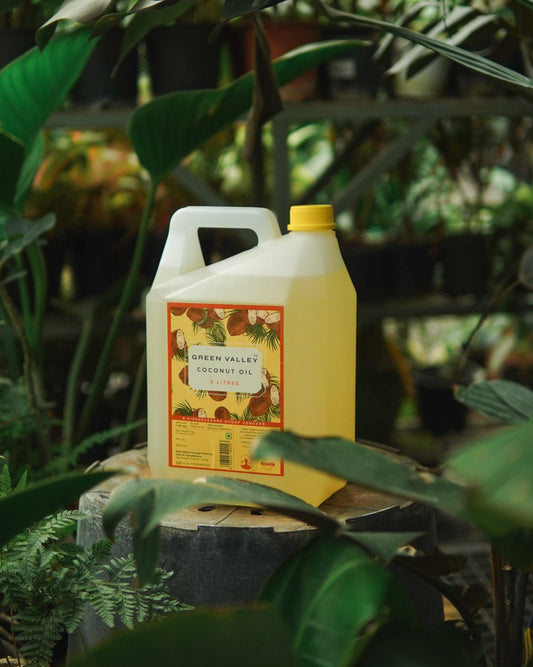

Coconut oil has become popular not only in human diets but also in discussions about pet nutrition. Some dog owners add it to their pets’ meals, believing it improves coat health, digestion, or overall well-being. Because coconut oil contains unique fatty acids, it has attracted attention as a potential supplement for dogs.
But is it actually safe to add coconut oil to your dog’s food? And if so, does it provide real benefits?
The short answer is yes. Coconut oil can generally be added to a dog’s diet in small amounts, but it should be used carefully and in moderation.
What Coconut Oil Contains
Coconut oil is composed almost entirely of fat, primarily medium-chain fatty acids (MCFAs) such as lauric acid, capric acid, and caprylic acid.
These fatty acids are metabolised differently from the long-chain fats commonly found in many other foods. Medium-chain fats are absorbed quickly and transported to the liver, where they are used as a rapid source of energy.
Because of this metabolic pathway, coconut oil has been explored as a potential dietary supplement for animals as well as humans.
Possible Benefits For Dogs
Although research on coconut oil in dogs is still limited, veterinarians and animal nutritionists have discussed several potential benefits when it is used in appropriate amounts.
Skin And Coat Health
One of the most commonly reported benefits is improved coat condition. The fatty acids in coconut oil may help support skin hydration and produce a shinier coat.
Some dog owners also apply coconut oil topically to dry skin or irritated areas to help soothe minor skin discomfort.
Antimicrobial Properties
Lauric acid in coconut oil can convert into monolaurin, a compound that has demonstrated antimicrobial activity in laboratory studies.
This may help support immune defences against certain bacteria and fungi, although more veterinary research is needed to confirm these effects in dogs.
Digestive Support
Because medium-chain fatty acids are easier to digest than long-chain fats, coconut oil may be easier for some animals to metabolise.
In some cases, veterinarians suggest small amounts of coconut oil to support digestion or provide additional energy.
Scientific Evidence And Limitations
Despite these potential benefits, scientific evidence supporting coconut oil supplementation in dogs remains limited.
Most claims about coconut oil for pets come from anecdotal reports or small studies rather than large-scale veterinary research. For this reason, many veterinarians recommend viewing coconut oil as an occasional supplement rather than a necessary part of a dog’s diet.
Balanced commercial dog foods already contain carefully measured nutrients designed to meet dogs’ dietary needs.
Risks Of Feeding Too Much Coconut Oil
Although coconut oil is generally safe in small amounts, feeding too much can lead to health problems.
Weight Gain
Coconut oil is very calorie-dense. One tablespoon contains about 120 calories, which can add up quickly for smaller dogs.
Excess calories may contribute to weight gain if coconut oil is given regularly in large quantities.
Digestive Upset
Introducing too much coconut oil at once may cause digestive problems such as:
- diarrhea
- greasy stools
- stomach discomfort
For this reason, veterinarians recommend introducing it gradually if you choose to add it to your dog’s diet.
Pancreatitis Risk
Dogs that are prone to pancreatitis or have sensitive digestive systems may react poorly to high-fat foods, including coconut oil.
If your dog has a history of pancreatic issues, it is important to consult a veterinarian before adding coconut oil to their diet.
How Much Coconut Oil Is Safe For Dogs
If you want to try coconut oil as a dietary supplement for your dog, moderation is important.
Many veterinarians suggest starting with very small amounts, such as:
- about ¼ teaspoon per day for small dogs
- about 1 teaspoon per day for medium dogs
- about 1 tablespoon per day for large dogs
Introducing it gradually allows you to monitor how your dog’s digestive system responds.
Other Ways Coconut Oil Can Be Used For Dogs
In addition to adding small amounts to food, coconut oil is sometimes used externally for pets.
Common topical uses include:
- moisturising dry paw pads
- soothing minor skin irritation
- improving coat shine
- helping detangle fur
Because coconut oil is safe for dogs to ingest in small amounts, licking treated areas usually does not pose a problem.
When to Consult A Veterinarian
Although coconut oil is generally safe, it is still best to speak with a veterinarian before introducing new supplements into your dog’s diet.
This is especially important if your dog:
- has digestive sensitivities
- is overweight
- has pancreatitis or metabolic conditions
- is on a specialised veterinary diet
A veterinarian can help determine whether coconut oil is appropriate for your pet’s specific needs.
The Final Verdict
Yes, you can add coconut oil to your dog’s food in small amounts. Its medium-chain fatty acids may support skin health, coat condition, and energy metabolism.
However, coconut oil should be used as a supplement rather than a dietary staple. Feeding too much can lead to weight gain or digestive upset.
When used occasionally and in moderation, coconut oil can be a safe addition to a dog’s diet, but it should always complement a balanced pet nutrition plan rather than replace it.