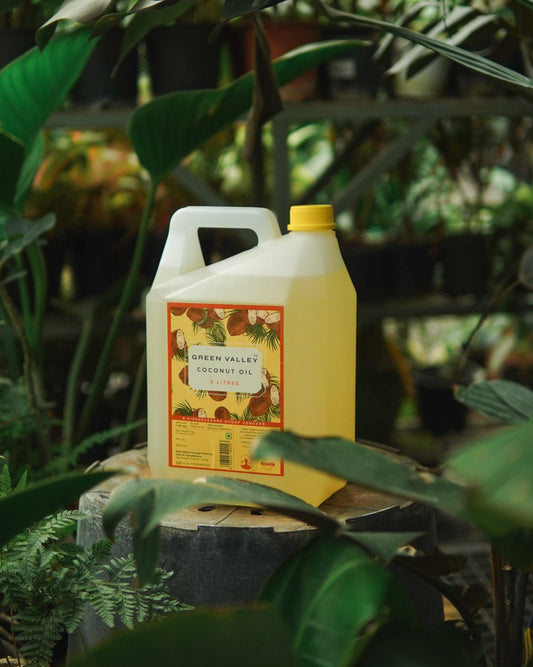

If your cat has developed an unusual interest in your kitchen and keeps trying to lick the coconut oil, you may be wondering whether it is safe to let them have some.
The short answer is: a small amount of plain coconut oil is unlikely to be seriously harmful to most cats, but it isn't necessary to add coconut oil to a cat's diet.
Cats have very different nutritional requirements from humans, and their regular food should provide the nutrients they need. Coconut oil should therefore be treated as an occasional food exposure rather than a supplement or health treatment.
Is coconut oil toxic to cats?
Coconut and coconut oil are not generally considered highly toxic to cats.
The ASPCA notes that when consumed in small amounts, coconut and coconut-based products are not likely to cause serious harm. However, the oils and fats in coconut products can cause stomach upset, loose stools, or diarrhoea.
So if your cat manages to sneak a lick from your spoon, there's usually no reason to panic.
That is very different from deliberately giving your cat large quantities.
Why does my cat like coconut oil?
Cats can be curious about foods that have interesting smells and textures. Coconut oil has a distinctive aroma, particularly when it is virgin coconut oil, which may attract some animals.
Some cats may simply enjoy the taste or texture.
But enjoying something doesn't necessarily mean that it belongs in a cat's regular diet. Cats are obligate carnivores, and their nutritional needs are best met through a properly formulated cat food appropriate for their age and health.
Can cats have virgin coconut oil?
Plain virgin coconut oil is unlikely to be toxic to a cat when consumed in a small quantity.
However, there is no established need to supplement a healthy cat's diet with coconut oil. Virgin coconut oil is primarily a source of fat. Adding extra fat to a cat's regular food can increase calorie intake without providing the complete nutrition that a cat needs from its main diet. If you're considering giving coconut oil to your cat regularly, it's better to discuss it with your veterinarian first.
What happens if a cat eats too much?
The most likely concern with consuming too much coconut oil is digestive upset.
Depending on the amount consumed and the individual cat, you may notice:
- Loose stools
- Diarrhoea
- Vomiting
- Stomach discomfort
- Reduced appetite
The ASPCA specifically warns that the oils and fats in coconut products can cause gastrointestinal upset and diarrhoea in pets. If your cat has eaten a large quantity or develops persistent vomiting, diarrhoea, lethargy, or other unusual symptoms, contact your veterinarian.
What about using coconut oil on a cat's fur or skin?
This is more complicated than simply putting a little oil in food.
Cats groom themselves extensively. Anything applied to their fur can potentially be swallowed during grooming. Veterinary guidance generally recommends checking with a veterinarian before applying products to a cat's skin or coat, particularly if the product is not specifically formulated for animals. This is especially important because coconut oil is very different from essential oils. Concentrated essential oils can be dangerous to cats, and veterinary sources specifically warn against applying them to cats.
Never assume that because coconut oil is natural, every coconut-based or scented product is automatically safe for cats.
Can coconut oil help with hairballs?
You'll sometimes find claims that coconut oil can help cats with hairballs because it is oily and might act as a lubricant.
However, this isn't a reason to start giving your cat coconut oil without veterinary advice. Veterinary products specifically formulated for hairballs and digestive lubrication exist, and VCA recommends that these products be used under veterinary direction.
If your cat frequently struggles with hairballs, repeated vomiting, constipation, or difficulty passing stool, the underlying cause should be investigated rather than simply adding oil to the diet.
How much coconut oil can a cat have?
There is no universally recommended dose of coconut oil for cats that should be used as a routine supplement.
A tiny accidental amount is unlikely to be a concern for most healthy cats, but deliberately feeding coconut oil is a different question. Your cat's size, age, diet, health history, and reason for considering coconut oil all matter. If your veterinarian thinks supplementation is appropriate, they can advise you on whether it should be used and how much.
What if my cat licks coconut oil from my spoon?
If your cat has simply stolen a lick or two of plain coconut oil, monitor them rather than immediately assuming something is wrong.
Make sure they have access to fresh water and return them to their normal diet. Watch for digestive symptoms such as vomiting or diarrhoea. If symptoms are severe, persistent, or you are concerned about the amount consumed, contact your veterinarian.
Keep the product plain
If you ever have a reason to use coconut oil around your cat, make sure you're talking about plain coconut oil, not a flavoured, scented, cosmetic, or essential-oil product.
Ingredients matter. Some products marketed for humans can contain additional ingredients that are not appropriate for animals. Essential oils are a particularly important example because cats are especially sensitive to many of them.
Final thoughts
So, can cats eat coconut oil?
A small amount of plain coconut oil is unlikely to seriously harm most cats, but that doesn't mean cats need it as part of their diet. The main concern with larger amounts is digestive upset, and there is no established reason to routinely supplement a healthy cat with coconut oil.
If your cat is obsessed with your coconut oil jar, you don't necessarily need to stage a kitchen intervention after one stolen lick. Just keep the jar out of reach, avoid giving large amounts, and leave the nutritional heavy lifting to a complete, balanced cat food.
And if your cat has a specific skin, digestive, or hairball problem, a veterinarian is a much better source of treatment advice than the kitchen shelf.