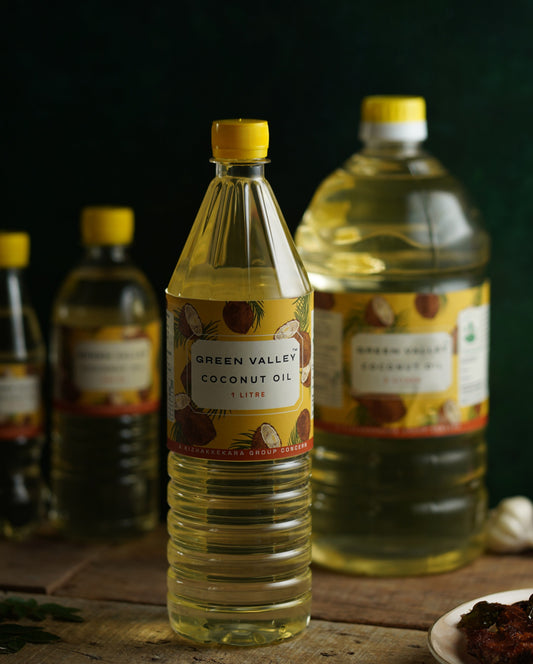

alk down any skincare aisle, and you’ll find shelves lined with serums, creams, essences, and masks promising glowing skin. Yet one of the most researched natural moisturisers has been sitting in kitchen cabinets for generations.
Coconut oil has long been used in tropical regions for skin and hair care, and modern research has started to uncover why. Rich in moisturising fatty acids and protective compounds, coconut oil can offer several benefits for facial skin when used appropriately.
That said, it isn’t a miracle ingredient, and it isn’t suitable for everyone. Understanding both its strengths and limitations can help you decide whether it deserves a place in your skincare routine.
Let’s look at ten science-backed benefits of coconut oil for the face.
1. Deeply moisturises dry skin
One of coconut oil’s best-known benefits is its ability to moisturise.
Coconut oil acts as an emollient, filling the gaps between skin cells and creating a protective barrier that helps prevent moisture loss. Research published in the International Journal of Dermatology found that virgin coconut oil significantly improved skin hydration and was as effective as mineral oil in treating dry skin.
If your skin feels tight, flaky, or rough, coconut oil can help restore softness and improve comfort.
Think of it as a protective blanket that helps your skin hold onto the water it already has.
2. Strengthens the skin barrier
Your skin barrier is your body’s first line of defence against environmental stressors, pollution, and moisture loss.
When this barrier becomes damaged, skin can become sensitive, irritated, and dehydrated.
The fatty acids in coconut oil help reinforce the lipid layer that keeps the skin barrier intact. Studies have shown that virgin coconut oil can improve barrier function and reduce transepidermal water loss, which is the escape of moisture from the skin.
A stronger barrier means healthier, more resilient skin.
3. Helps soothe dry, irritated skin
Skin irritation often goes hand in hand with dryness.
Research suggests that virgin coconut oil possesses mild anti-inflammatory properties that may help calm irritated skin. Some studies have even found it beneficial as a supportive treatment for conditions like atopic dermatitis (eczema).
While it isn’t a replacement for medical treatment, coconut oil may help reduce discomfort associated with minor irritation and dryness.
4. Supports skin healing
Healthy wound healing requires moisture, protection, and a balanced inflammatory response.
Laboratory and animal studies have shown that virgin coconut oil may support wound healing by increasing collagen production, improving antioxidant activity, and maintaining an optimal moisture environment.
Collagen is one of the key proteins involved in repairing damaged skin.
While coconut oil shouldn’t be applied to serious wounds without medical guidance, it may support recovery of minor skin damage and dryness-related cracking.
5. Provides natural antioxidant protection
Every day, your skin is exposed to free radicals from sunlight, pollution, and environmental stress.
These unstable molecules contribute to premature ageing and skin damage.
Virgin coconut oil contains small amounts of antioxidant compounds, including polyphenols and vitamin E derivatives. These antioxidants help neutralise free radicals and support the skin’s natural defence mechanisms.
Although coconut oil isn’t as antioxidant-rich as dedicated skincare actives like vitamin C, it still contributes to overall skin protection.
6. May help reduce temporary redness
When skin becomes dry or irritated, redness often follows.
The moisturising and anti-inflammatory properties of coconut oil can help calm the skin’s appearance by reducing dryness-related irritation.
Many people find that areas prone to redness feel more comfortable and appear less inflamed after consistent use.
7. Works as a gentle makeup remover
One of coconut oil’s most practical skincare benefits is its ability to dissolve makeup.
Because oil attracts oil, coconut oil can break down:
- foundation
- sunscreen
- waterproof mascara
- long-wear makeup products
Unlike some makeup removers that can leave skin feeling stripped, coconut oil removes product while simultaneously moisturising the skin.
It’s particularly effective as the first step in a double-cleansing routine.
8. Softens fine dry lines
Dry skin often exaggerates the appearance of fine lines.
By improving hydration levels, coconut oil can temporarily plump the outer layer of the skin, making fine lines caused by dryness appear less noticeable.
This isn’t the same as reversing wrinkles, but well-hydrated skin generally looks smoother, healthier, and more radiant.
9. Can help protect against moisture loss overnight
Nighttime is when the skin performs much of its natural repair work.
Applying a small amount of coconut oil as the final step in an evening skincare routine helps seal in moisture and prevent overnight dehydration.
Many people wake up with softer, smoother skin because the oil creates a protective barrier while they sleep. This benefit is particularly noticeable in dry climates or during air-conditioned seasons.
10. A Simple, multi-purpose natural skincare option
One reason coconut oil remains popular is its versatility.
A single jar can function as:
- facial moisturizer
- makeup remover
- lip balm
- cuticle treatment
- overnight hydration mask
- massage oil
For people who prefer minimalist skincare routines, coconut oil offers multiple benefits without requiring a shelf full of products.
Who should be careful?
Despite its benefits, coconut oil isn’t ideal for every skin type.
Coconut oil has a relatively high comedogenic rating, meaning it may clog pores in some individuals.
People with:
- oily skin
- acne-prone skin
- frequent breakouts
may find that coconut oil worsens congestion or causes blemishes.
If you’re unsure how your skin will react, perform a patch test first and introduce it gradually.
The final verdict
Coconut oil’s reputation as a skincare staple isn’t just based on tradition. Research supports its ability to moisturise the skin, strengthen the skin barrier, reduce moisture loss, and support overall skin health.
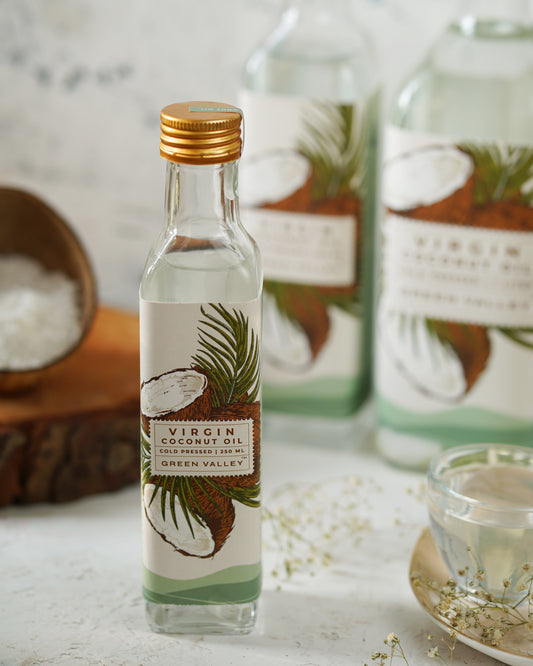
For dry, normal, or sensitive skin types, virgin coconut oil can be a simple and effective addition to a skincare routine. It hydrates, protects, and helps maintain healthy-looking skin without a complicated ingredient list. However, those with oily or acne-prone skin may want to proceed cautiously, as coconut oil can clog pores in some individuals.
At the end of the day, coconut oil isn’t a miracle cure for every skin concern. But as a natural moisturiser with decades of traditional use and growing scientific support, it’s more than just another kitchen ingredient. Sometimes, healthy skin really can begin with a coconut. 🌴